Physical Address
304 North Cardinal St.
Dorchester Center, MA 02124
Physical Address
304 North Cardinal St.
Dorchester Center, MA 02124
Last updated: August 9, 2026
Sri Lanka offers over 55,000 accommodation rooms across 4,500+ establishments, with guesthouses and homestays now making up 62% of all properties compared to just 4% for traditional hotels.[1] This shift means travelers get more authentic, locally-run experiences at better prices, especially in beach towns and hill country destinations.
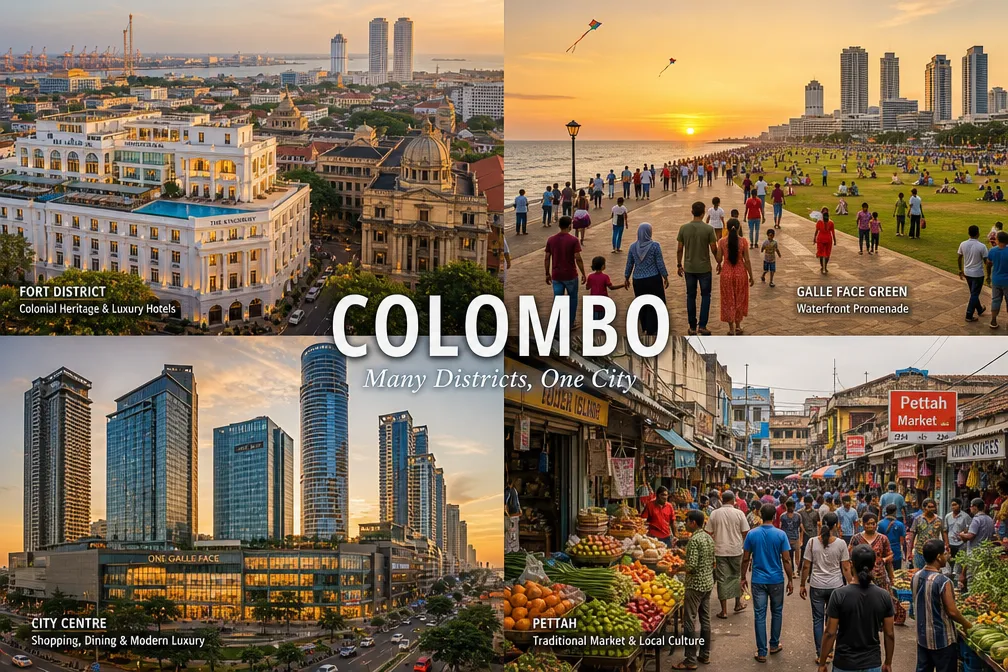
Colombo Fort and Galle Face Green offer the safest, most convenient base for newcomers. These areas put you within walking distance of major attractions, restaurants, and transport hubs while providing the widest range of accommodation options.
Colombo Fort serves as the ideal starting point with its colonial architecture, upscale hotels, and easy access to the airport express train. Stay here if you want luxury hotels, reliable WiFi, and English-speaking staff.
Galle Face Green provides beachfront views in the city center with mid-range hotels and guesthouses. The iconic Galle Face Hotel anchors this area, but smaller properties offer better value.
Cinnamon Gardens (Colombo 7) attracts visitors seeking a residential feel with boutique hotels, cafes, and green spaces. This upscale neighborhood costs 20-30% more but offers a quieter atmosphere.
For beach-first visits, Mirissa on the South Coast provides the perfect introduction to Sri Lankan beach culture. The town offers everything from $12 guesthouses to $200 boutique hotels within a 10-minute walk of whale watching boats.
Avoid staying near Colombo’s Pettah market area as a first-timer. While authentic, the crowded streets and limited accommodation options can overwhelm newcomers.
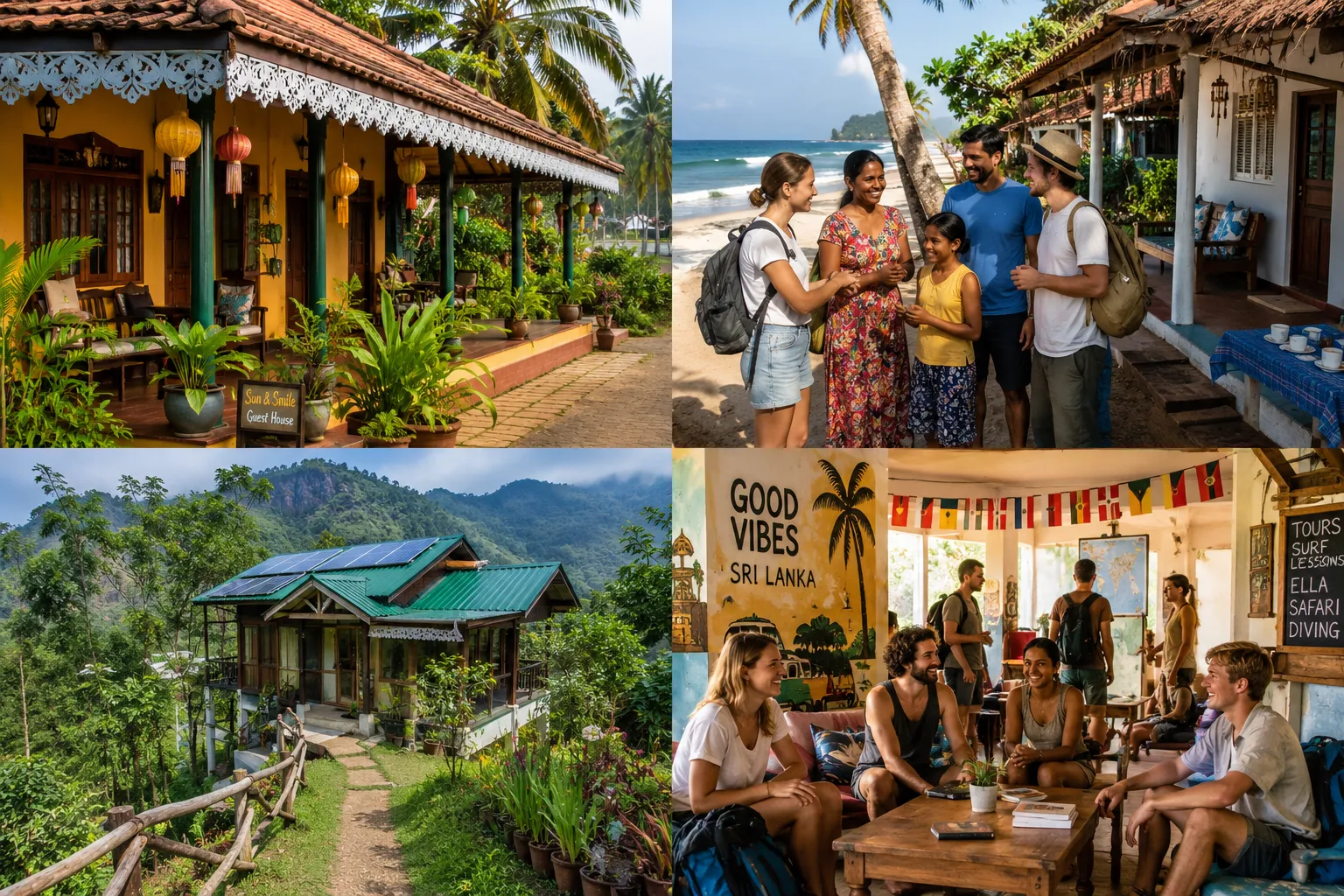
Guesthouses in Cultural Triangle towns like Dambulla and Sigiriya offer the best value at $8-15 per night. These family-run properties include breakfast and often provide free bicycle rentals or cooking classes.
Top budget destinations by region:
Homestays provide the cheapest authentic experience at $8-20 per night including meals. Local families open their homes through platforms like Airbnb or direct booking, offering cooking lessons and cultural insights.
Backpacker hostels in beach towns cost $6-12 for dorm beds, $15-25 for private rooms. Hostels in Mirissa, Unawatuna, and Arugam Bay offer the best social atmosphere for solo travelers.
Temple accommodations in Kandy and Anuradhapura provide unique stays for $5-10 per night. These basic but clean options include vegetarian meals and meditation sessions.
Choose guesthouses over hotels for budget travel. The 2024 accommodation data shows guesthouses grew 60-110% faster than hotels, indicating better service and value in this segment.[2]
Bentota and Tangalle on the South Coast host Sri Lanka’s most exclusive beach resorts. These areas offer private beaches, world-class spas, and personalized service starting from $250 per night.
Colombo’s luxury hotel scene centers on Galle Face Green and Fort. The Shangri-La Colombo and Galle Face Hotel provide urban luxury with ocean views, while boutique properties in Cinnamon Gardens offer intimate elegance.
Hill country luxury focuses on converted tea estates and colonial bungalows. Properties like Ceylon Tea Trails and Heritance Tea Factory transform working plantations into 5-star experiences with butler service and private gardens.
Top luxury areas by experience:
Book 2-3 months ahead for peak season (December-March) when luxury properties reach 70-75% occupancy.[9] Many resorts offer better rates for 4+ night stays or include meals and activities in package deals.
Ayurveda resorts provide wellness-focused luxury experiences. Properties in Beruwala and Wadduwa specialize in traditional treatments with doctor consultations and personalized meal plans.
Fort District offers the most tourist-friendly accommodation with easy transport access. This historic area puts you within walking distance of the World Trade Center, Red Mosque, and Gangaramaya Temple while providing direct train connections to the airport.
Galle Face provides beachfront city living with the famous Galle Face Green park, street food vendors, and sunset views. Hotels here cost 15-25% more than Fort but offer ocean breezes and evening entertainment.
Cinnamon Gardens (Colombo 7) attracts visitors wanting upscale residential vibes. This leafy neighborhood features Independence Square, shopping at Odel, and quiet cafes, though accommodation costs run 30-40% higher.
Wellawatta offers authentic local experiences with Tamil culture, excellent seafood restaurants, and budget guesthouses. Stay here for cultural immersion while remaining 20 minutes from Fort by tuk-tuk.
Avoid Slave Island and parts of Pettah for accommodation unless you’re experienced with crowded urban areas. These neighborhoods lack tourist infrastructure and quality lodging options.
Transportation considerations:
Choose Fort or Galle Face for first visits, Cinnamon Gardens for longer stays, and Wellawatta for cultural experiences.
Kandy works better for cultural experiences and convenience, while Nuwara Eliya suits nature lovers and cooler weather seekers. Your choice depends on whether you prioritize temples and local life (Kandy) or tea plantations and hiking (Nuwara Eliya).
Kandy advantages:
Nuwara Eliya advantages:
Accommodation costs comparison:
Stay 2-3 nights in Kandy for temple visits, cultural shows, and the botanical gardens. Spend 3-4 nights in Nuwara Eliya if you want tea estate tours, hiking, and cooler weather relaxation.
Many travelers visit both, spending 2 nights in Kandy then 2-3 in Nuwara Eliya. The train journey between them offers spectacular mountain scenery and takes 2.5-3 hours.
Galle Fort ranks among Sri Lanka’s safest tourist areas with excellent accommodation options. The UNESCO World Heritage site maintains strong security, well-lit streets, and tourist police presence, making it ideal for solo travelers and families.
Safety factors in Galle:
Accommodation in Galle Fort ranges from $25 restored colonial guesthouses to $400 luxury boutique hotels. The historic walls create a unique atmosphere while providing natural security boundaries.
Areas to prioritize:
Minor safety considerations:
Galle Fort’s accommodation books up quickly during peak season due to limited properties within the walls. Reserve 4-6 weeks ahead for December-March visits.
The area recovered strongly from 2019’s challenges, with tourism revenue increasing 53% year-over-year in 2024, indicating restored confidence and improved infrastructure.[9]
Mirissa offers better whale watching access and newer accommodation options, while Unawatuna provides more variety and established infrastructure. Both deliver excellent beach experiences with different personalities.
Mirissa strengths:
Unawatuna strengths:
Accommodation comparison:
| Factor | Mirissa | Unawatuna |
|---|---|---|
| Budget options | $12-25 guesthouses | $8-20 hostels/guesthouses |
| Mid-range | $40-80 boutique hotels | $35-70 beach hotels |
| Luxury | $150-250 villas | $100-300 resorts |
| Booking difficulty | Moderate | Easy |
Choose Mirissa if you want: Whale watching, newer properties, quieter beaches, and don’t mind limited nightlife.
Choose Unawatuna if you want: More dining options, established infrastructure, calmer swimming conditions, and varied accommodation types.
Both towns work well as bases for exploring Galle Fort (30-45 minutes away) and other South Coast attractions.
Accommodation costs vary dramatically by region and season, with guesthouses averaging $15-30 and hotels $50-150 per night. The shift toward locally-run properties means better value in the budget and mid-range segments.[2]
Regional cost breakdown (per night, double occupancy):
Colombo:
South Coast (Mirissa, Unawatuna, Hikkaduwa):
Hill Country (Kandy, Nuwara Eliya, Ella):
Cultural Triangle (Sigiriya, Dambulla, Anuradhapura):
East Coast (Arugam Bay, Trincomalee):
Peak season surcharge (December-March): Add 25-50% to these rates. Off-season discounts (May-September): Subtract 20-30% except in hill country areas.
Money-saving strategies:
Colombo offers urban convenience and cultural experiences, while beach areas provide relaxation and water activities. Your accommodation choice should match your travel priorities and itinerary needs.
Colombo accommodation advantages:
Beach area accommodation advantages:
Cost comparison:
Practical considerations:
Choose Colombo if you:
Choose beach areas if you:
Many travelers split their time, using Colombo for arrival/departure nights and beach areas for the main stay.
Most of Sri Lanka remains safe for tourists, but certain areas require extra caution or offer limited accommodation quality. Focus on established tourist zones for the best balance of safety and comfort.
Areas requiring caution:
Accommodation quality concerns:
Seasonal safety considerations:
Red flags for accommodation:
Safer alternatives:
The tourism industry’s 53% revenue growth in 2024 reflects improved safety standards and infrastructure across established destinations.[9]
Colombo’s Galle Face and Fort areas offer the most nightlife options with rooftop bars, clubs, and late-night dining. Beach towns provide more relaxed evening scenes focused on beachfront dining and sunset cocktails.
Colombo nightlife accommodation:
Beach town evening scenes:
Hill country options:
Nightlife accommodation strategies:
Safety for nightlife:
Colombo offers the most sophisticated nightlife, while beach towns provide laid-back evening entertainment perfect for vacation relaxation.
South Coast beaches like Unawatuna and Bentota offer the safest family accommodation with calm waters and established infrastructure. These areas provide kid-friendly beaches, reliable medical access, and family-oriented hotels with pools and activities.
Top family destinations:
Unawatuna Bay:
Bentota:
Kandy:
Colombo (Galle Face area):
Family accommodation features to prioritize:
Avoid for families:
Family-friendly booking tips:
Guesthouses and homestays offer better value than both Airbnb and hotels, with the added benefit of local host interaction. The accommodation landscape shift toward locally-run properties means traditional guesthouses often provide Airbnb-style experiences at lower costs.[1]
Cost comparison (per night, double occupancy):
Budget segment:
Mid-range segment:
Experience differences:
Airbnb advantages:
Guesthouse advantages:
Hotel advantages:
Hidden costs consideration:
Best choice by situation:
Booking directly with guesthouses often provides the best rates and flexibility, avoiding platform fees while supporting local businesses.
Plan 2-3 days minimum per region to experience key attractions without rushing. Sri Lanka’s compact size allows multi-region itineraries, but transportation time between areas requires strategic planning.
Recommended stay durations:
Colombo: 1-2 days
South Coast: 4-6 days
Hill Country: 4-5 days
Cultural Triangle: 3-4 days
East Coast: 3-5 days
Sample 10-day itinerary:
Transportation considerations:
What’s the average cost of accommodation in Sri Lanka? Budget guesthouses cost $10-25 per night, mid-range hotels $40-90, and luxury resorts $150-400. Guesthouses offer the best value with breakfast included and local hospitality.
Is it safe for solo travelers to stay in guesthouses? Yes, Sri Lankan guesthouses are very safe for solo travelers. Family-run properties provide personal attention and local knowledge. Choose properties with recent positive reviews and tourist board registration.
Do I need to book accommodation in advance? Book 2-4 weeks ahead for peak season (December-March) when occupancy reaches 70-75%. Off-season allows more flexibility, but popular areas like Galle Fort and Sigiriya fill up quickly year-round.
What’s included in Sri Lankan guesthouse rates? Most guesthouses include breakfast, WiFi, and basic amenities. Many offer free bicycle rentals, cooking classes, or transport assistance. Always confirm inclusions when booking.
Can I find air-conditioned rooms in budget accommodations? Yes, most guesthouses over $20/night offer AC rooms. Hill country properties often don’t need AC due to cooler temperatures. Beach and lowland areas typically include AC in rates above $15.
Are there accommodation options near airports? Colombo airport has several hotels within 10 minutes, ranging from $40-150/night. Many offer free shuttle service. The airport express train connects to Colombo Fort in 30 minutes for more accommodation options.
What’s the difference between a guesthouse and homestay? Guesthouses are small commercial properties with 3-10 rooms. Homestays involve staying in family homes with shared meals and activities. Both offer personal service but homestays provide more cultural immersion.
Do accommodations provide mosquito protection? Most properties provide nets, repellent, or AC to manage mosquitoes. Hill country locations have fewer mosquitoes due to altitude. Always pack personal repellent regardless of accommodation type.
Can I pay for accommodation with credit cards? Larger hotels and established guesthouses accept cards. Smaller properties prefer cash (USD or Sri Lankan rupees). ATMs are widely available in tourist areas for cash withdrawal.
What should I do if my accommodation doesn’t meet expectations? Communicate issues immediately with property management. Most guesthouse owners resolve problems quickly. For serious issues, contact your booking platform or consider alternative accommodation in the same area.
Are there accommodations suitable for digital nomads? Yes, many guesthouses and hotels now cater to remote workers with reliable WiFi, work spaces, and longer-stay discounts. Colombo, Galle, and hill country towns offer the best digital nomad infrastructure.
How do I verify accommodation safety and legitimacy? Check recent reviews on multiple platforms, verify exact addresses, and confirm contact information. Look for tourist board registration numbers and social media presence. Avoid properties with no online footprint or suspiciously low rates.
Sri Lanka’s accommodation landscape has transformed dramatically, with locally-run guesthouses and homestays now dominating the market and offering exceptional value across all regions. Whether you’re seeking budget-friendly cultural experiences in the Cultural Triangle, luxury beach resorts on the South Coast, or authentic hill country tea estate stays, the key is matching your accommodation choice to your travel style and regional activities.
Start your planning by choosing your base regions first, then select accommodations that provide easy access to your priority attractions. Book 2-4 weeks ahead for peak season travel, consider splitting time between urban Colombo and coastal areas for variety, and don’t overlook the value and cultural richness that family-run guesthouses provide.
The country’s tourism recovery and infrastructure improvements mean 2026 offers more accommodation options and better service standards than ever before, making it an ideal time to explore this diverse island nation.
SEO Meta Title: Where to Stay in Sri Lanka: Best Areas & Budget Accommodation Guide 2026
SEO Meta Description: Complete guide to Sri Lanka accommodation by region and budget. Find the best areas, guesthouses, hotels and resorts from Colombo to beach towns and hill country.
[1] Year In Review 2024 Final 2024 Jan Dec1 – https://www.sltda.gov.lk/storage/common_media/Year_In_Review_2024_Final_2024_Jan-Dec1.pdf [2] Gotspiokjquhbjaxyibt – https://www.themorning.lk/articles/gotSpiokJquHbJaXyiBt [9] Losec Tourism Sector Report 09.06.2025 – https://www.lolcsecurities.lk/sector-report/losec-tourism-sector-report-09.06.2025.pdf