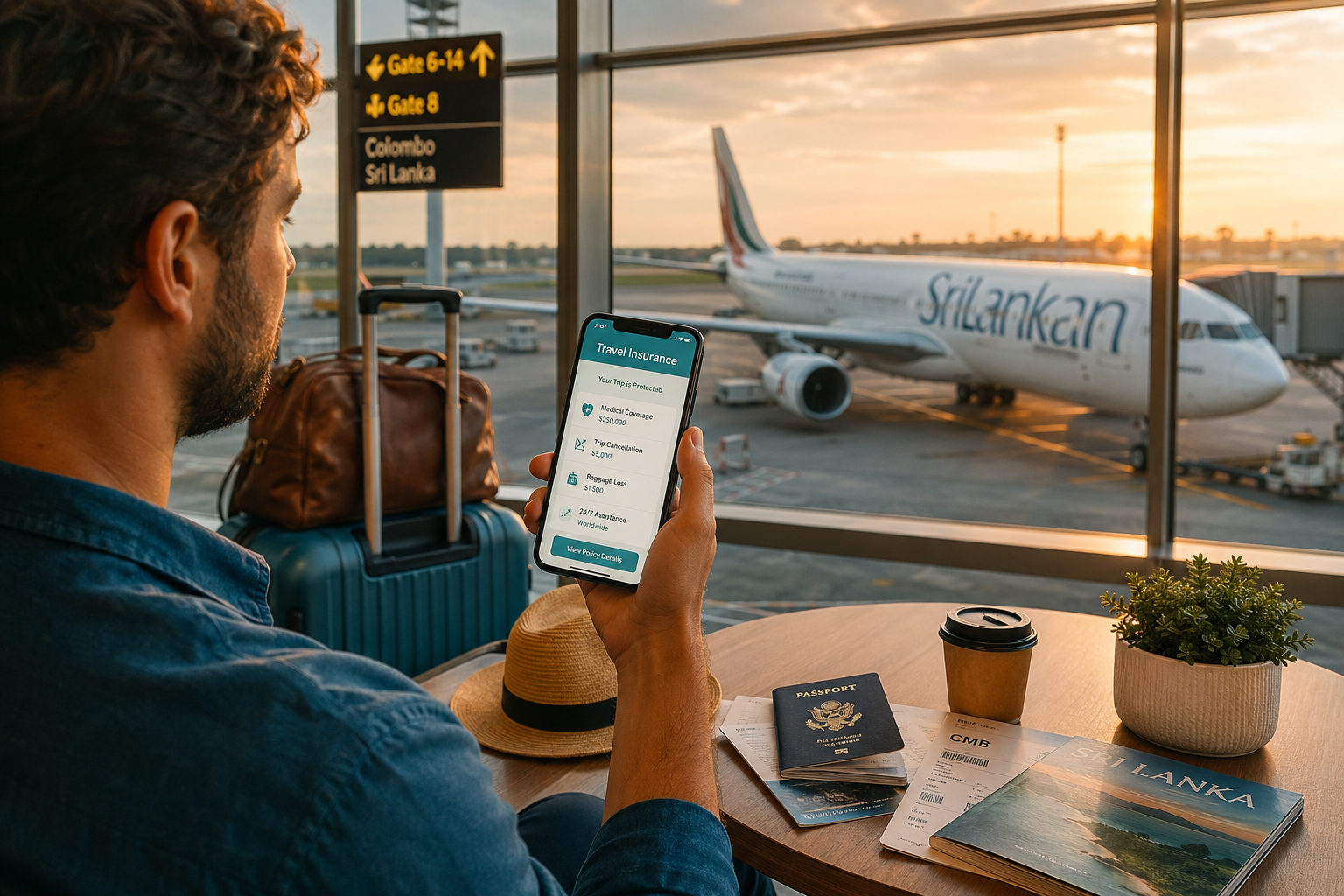
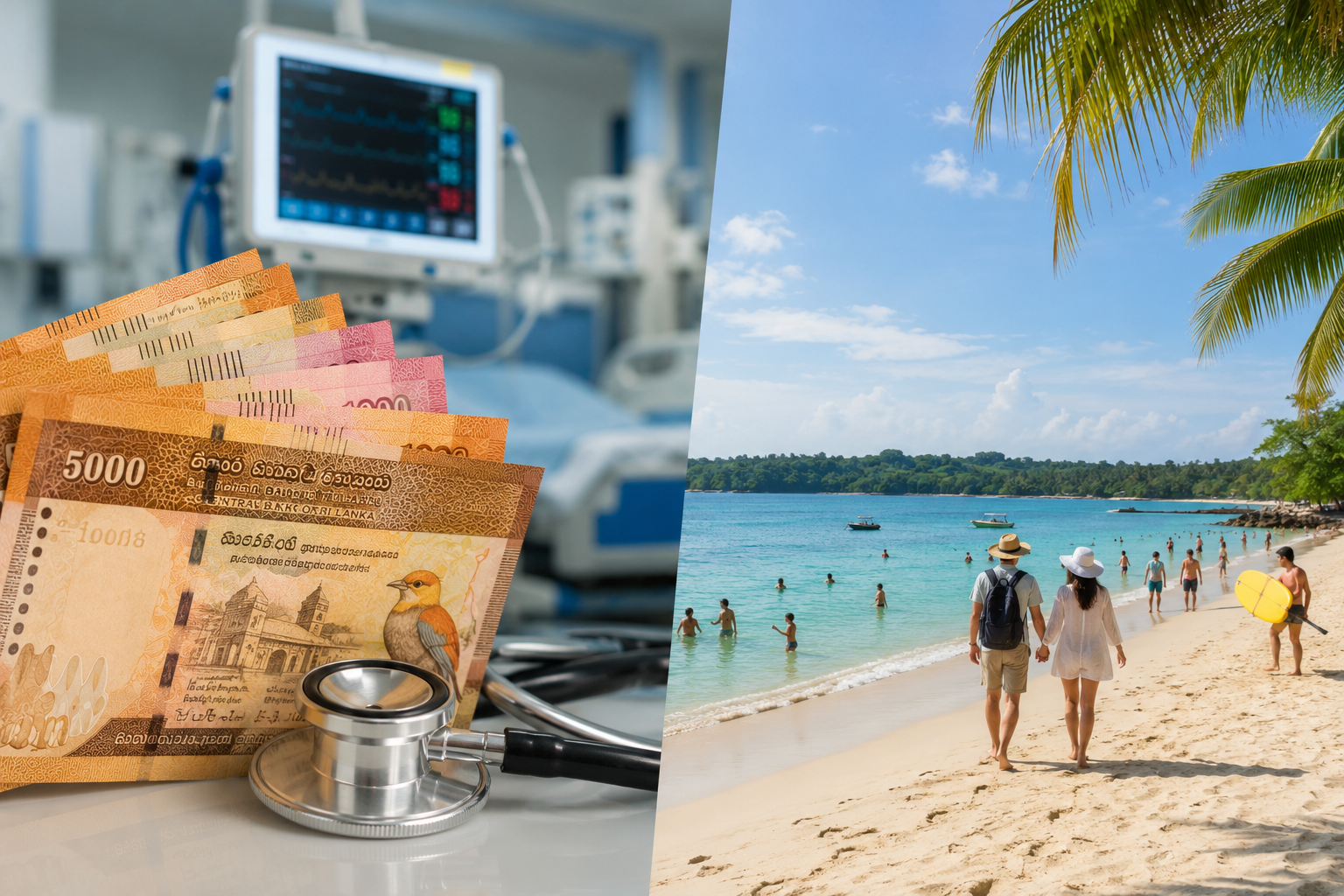
Sri Lanka doesn’t legally require travel insurance for entry, but it’s essential protection against medical emergencies that can cost $1,000-$50,000. A comprehensive policy costs $30-$150 for two weeks and should include at least $200,000 medical coverage, emergency evacuation, and adventure activity protection if you plan to surf, trek, or go on safari.
Key Takeaways
Travel insurance isn’t mandatory for Sri Lanka entry but strongly recommended due to high emergency costs
Emergency room visits cost $45-$90; air ambulance evacuation can reach $50,000 [1]
Standard policies may exclude adventure activities like surfing and trekking – verify coverage
You can buy insurance after arrival, but pre-departure purchase offers better protection
Declare pre-existing medical conditions to avoid claim denials
Minimum recommended medical coverage: $200,000 with emergency evacuation included
Private hospital consultations cost $10-$15; emergency surgeries range $1,000-$10,000 [1]
Is Travel Insurance Required for Sri Lanka?
Sri Lanka does not legally require travel insurance for entry, but it’s strongly recommended for all visitors.
The country’s immigration authorities don’t check for insurance coverage at border control. However, medical emergencies can result in substantial costs that make insurance essential rather than optional.
Why you should get it anyway:
Private healthcare costs can quickly exceed $10,000 for serious conditions
Emergency evacuation to your home country ranges $10,000-$50,000 [1]
Public hospitals may have limited English-speaking staff and basic facilities
Trip cancellations due to weather or political situations aren’t uncommon
Who absolutely needs coverage:
Travelers over 65 (higher medical risk)
Anyone with pre-existing health conditions
Adventure seekers planning surfing, hiking, or safari activities
Visitors staying longer than two weeks
What Does Sri Lanka Travel Insurance Actually Cover?
Standard Sri Lanka travel insurance covers medical emergencies, evacuation, trip disruption, and personal belongings – but coverage varies significantly between policies.
Essential medical coverage includes:
Emergency medical treatment and hospitalization
Prescription medications
Emergency dental care (usually up to $1,000)
Medical evacuation to nearest adequate facility
Repatriation to home country if medically necessary
Trip protection typically covers:
Trip cancellation due to illness, injury, or family emergency
Trip interruption and early return costs
Missed connections and travel delays
Lost, stolen, or damaged baggage and personal items
Additional benefits often included:
24/7 emergency assistance hotline
Coverage for personal liability
Emergency cash advances
Legal assistance
Common exclusions to watch for:
Pre-existing medical conditions (unless declared and covered)
High-risk activities like extreme sports
Alcohol or drug-related incidents
Travel to areas under government advisory
How Much Does Sri Lanka Travel Insurance Cost?
A standard two-week travel insurance policy for Sri Lanka costs $30-$80 for basic coverage, while comprehensive policies with higher medical limits range $70-$150.
Cost factors that affect your premium:
Age (significant increases after 65)
Trip duration and total cost
Coverage limits and deductibles
Pre-existing medical conditions
Adventure activity add-ons
Country of residence
Sample pricing breakdown:
Basic coverage ($50,000 medical): $30-$50 for two weeks
Standard coverage ($100,000 medical): $50-$80 for two weeks
Comprehensive coverage ($250,000+ medical): $70-$150 for two weeks
Annual multi-trip policies: $150-$400 depending on coverage
Money-saving tips:
Buy coverage within 14 days of initial trip deposit for maximum benefits
Choose higher deductibles to lower premiums
Skip unnecessary add-ons like “cancel for any reason” coverage
Compare quotes from multiple providers
Sri Lanka Travel Insurance vs Standard Travel Insurance
Sri Lanka-specific travel insurance offers the same core coverage as standard policies but may include regional considerations like monsoon season protection and adventure activity coverage.
Key differences:
Monsoon coverage: Some policies specifically cover trip disruption due to seasonal flooding
Adventure activities: Enhanced coverage for popular Sri Lankan activities like surfing and trekking
Local medical network: Direct billing arrangements with private hospitals in Colombo
Regional evacuation: Specialized evacuation routes to Singapore or India
Standard travel insurance works fine if:
You’re staying in major cities like Colombo or Kandy
Your activities are limited to sightseeing and cultural tours
You have a policy with comprehensive medical coverage ($200,000+)
The policy includes emergency evacuation
Choose Sri Lanka-specific coverage if:
You’re planning adventure activities
Traveling during monsoon season (May-September)
Staying in remote areas or smaller towns
You want local language support for claims
Can You Buy Travel Insurance After Arriving in Sri Lanka?
Yes, you can purchase travel insurance after arriving in Sri Lanka, but coverage typically starts 24-48 hours after purchase and may exclude pre-existing conditions.
Post-arrival purchase limitations:
Waiting period before coverage begins (usually 24-48 hours)
No coverage for conditions that existed before purchase
Limited trip cancellation benefits
Higher premiums for some providers
Best options for post-arrival purchase:
World Nomads (popular with backpackers)
SafetyWing (designed for digital nomads)
Local Sri Lankan insurers like Sri Lanka Insurance Corporation [6]
Why pre-departure purchase is better:
Immediate coverage from trip start
Full trip cancellation protection
Coverage for pre-existing conditions (if declared)
Better rates and more comprehensive options
Emergency coverage if uninsured:
Contact your embassy for assistance
Many private hospitals accept credit cards
Consider emergency evacuation insurance as standalone coverage
What’s Not Covered by Sri Lanka Travel Insurance
Most Sri Lanka travel insurance policies exclude high-risk activities, pre-existing conditions, and incidents involving alcohol or illegal activities.
Common exclusions:
Undeclared pre-existing medical conditions
High-risk sports: Rock climbing, scuba diving below certain depths, motorcycle racing
Alcohol-related incidents: Accidents while intoxicated
Illegal activities: Drug possession, unlicensed driving
War and terrorism: Though some policies now include terrorism coverage
Choose policies specifically designed for active travelers
Declare all planned activities when purchasing
Consider specialized adventure travel insurance
Read the fine print for:
Maximum age limits for coverage
Geographic restrictions within Sri Lanka
Time limits for reporting claims
Required documentation for claims
Do I Need Travel Insurance for a Short Trip to Sri Lanka?
Yes, even short trips to Sri Lanka benefit from travel insurance because medical emergencies and evacuation costs remain the same regardless of trip length.
Why short trips still need coverage:
Emergency room visits cost $45-$90 regardless of stay duration [1]
Food poisoning and tropical illnesses can strike quickly
Missed flights due to delays affect short trips more severely
Adventure activities carry the same risks whether you’re there 3 days or 3 weeks
Short-trip considerations:
1-3 days: Focus on medical and evacuation coverage
File Sri Lanka travel insurance claims by contacting your provider’s 24/7 hotline immediately, keeping all receipts, and submitting documentation within the specified timeframe (usually 30-90 days).
Immediate steps for medical emergencies:
Call your insurance provider’s emergency hotline first
Get pre-authorization for expensive treatments when possible
Keep all medical receipts and documentation
Request English translations of local medical reports
Required documentation typically includes:
Original receipts for all expenses
Medical reports and discharge summaries
Police reports for theft or accidents
Proof of trip costs and travel dates
Bank statements showing trip payments
Claim processing timeline:
Simple claims: 7-14 business days
Complex medical claims: 30-60 days
Claims requiring investigation: 60-90 days
Tips for faster claim processing:
Submit complete documentation initially
Respond promptly to insurer requests
Keep copies of everything you submit
Follow up if you don’t hear back within stated timeframes
Sri Lanka Travel Insurance for Pre-Existing Conditions
Most Sri Lanka travel insurance policies will cover pre-existing medical conditions if you declare them when purchasing and pay any additional premium required.
What counts as pre-existing:
Chronic conditions like diabetes, heart disease, or asthma
Recent surgeries or hospitalizations
Ongoing medication requirements
Mental health conditions requiring treatment
Coverage requirements:
Declare all conditions honestly when applying
Provide medical documentation if requested
Pay additional premiums (usually 10-50% more)
Ensure conditions are stable before travel
“Stable condition” typically means:
No changes in medication for 60-90 days
No new symptoms or complications
No pending tests or treatments
Doctor clearance for travel
Best insurers for pre-existing conditions:
Allianz (partners with SriLankan Airlines) [4]
World Nomads (flexible medical coverage)
IMG Global (comprehensive medical policies)
Cheapest Travel Insurance for Sri Lanka
The cheapest Sri Lanka travel insurance starts around $25-$35 for basic coverage, but focus on value rather than just price to ensure adequate protection.
Budget-friendly options:
World Nomads Explorer: Basic coverage starting $30-$40
SafetyWing Nomad Insurance: $42/month for continuous coverage
Allianz OneTrip Basic: Starting around $35 for short trips
IMG Patriot Travel: Competitive rates for international travelers
How to find the best value:
Compare medical coverage limits (aim for $100,000 minimum)
Hutch Sri Lanka roaming customers get free coverage [2]
Some bank accounts include basic travel insurance
Don’t sacrifice essential coverage for savings:
Minimum $100,000 medical coverage
Emergency evacuation and repatriation
24/7 assistance hotline
Reasonable claim processing reputation
Common Mistakes People Make with Sri Lanka Travel Insurance
The biggest mistakes include not declaring pre-existing conditions, assuming standard policies cover adventure activities, and failing to read exclusions carefully.
Top mistakes to avoid:
Not reading the policy details: Exclusions vary significantly between providers
Buying based on price alone: Cheapest isn’t always best value
Forgetting to declare medical conditions: Leads to claim denials
Assuming coverage starts immediately: Many policies have waiting periods
Not keeping receipts: Essential for claim processing
Adventure activity mistakes:
Assuming surfing and trekking are automatically covered
Not purchasing adventure sports add-ons
Engaging in activities beyond policy limits
Failing to use licensed operators when required
Claim-related mistakes:
Not calling the emergency hotline first
Waiting too long to file claims
Submitting incomplete documentation
Not getting pre-authorization for expensive treatments
Purchase timing mistakes:
Buying too close to departure (missing pre-existing condition coverage)
Purchasing after problems arise
Not buying within 14 days of initial trip deposit
Sri Lanka Travel Insurance for Adventure Activities
Standard travel insurance often excludes popular Sri Lankan adventure activities like surfing, trekking, and safaris – you’ll need specific adventure coverage or add-ons.
Activities requiring special coverage:
Surfing: Especially during monsoon season
Trekking: Multi-day hikes in hill country
White water rafting: On Kelani River
Rock climbing: In Ella and Sigiriya areas
Scuba diving: Below certain depths
Motorcycle touring: Requires proper licensing
New coverage options:
Sri Lanka Insurance Corporation launched “Adventure Plus” in March 2026 specifically for high-risk tourist activities [3]
Covers hiking, cycling, and water sports with specialized accident protection
Available for both locals and international visitors
What adventure coverage includes:
Accident medical expenses up to policy limits
Emergency evacuation from remote areas
Search and rescue costs
Equipment replacement (limited)
Trip interruption due to adventure-related injuries
Activities usually still excluded:
Extreme sports like base jumping or paragliding
Racing of any kind
Professional sports participation
Activities while under the influence
Who Should Get Travel Insurance for Sri Lanka
Anyone traveling to Sri Lanka should consider travel insurance, but it’s essential for travelers over 50, those with health conditions, adventure seekers, and visitors during monsoon season.
High-priority travelers:
Age 65+: Medical risks increase significantly
Chronic health conditions: Diabetes, heart disease, respiratory issues
Adventure travelers: Planning surfing, trekking, or safari activities
Long-term visitors: Staying more than 30 days
Monsoon season travelers: May-September flood risks
Moderate-priority travelers:
First-time visitors: Unfamiliar with local healthcare system
Budget travelers: Can’t afford unexpected medical costs
Business travelers: Trip interruption affects work commitments
Family groups: Multiple people increase risk exposure
Consider skipping only if:
You have comprehensive international health insurance
Comfortable paying $10,000+ out-of-pocket for emergencies
Staying only in Colombo with minimal activities
Have extensive travel experience and risk tolerance
Special considerations for 2026:
Recent flooding increases health risks from waterborne diseases [5]
Political stability has improved but regional variations exist
New adventure insurance products offer better activity coverage [3]
FAQ
Is travel insurance mandatory for Sri Lanka?
No, Sri Lanka doesn’t require travel insurance for entry, but it’s strongly recommended due to potential medical costs reaching $50,000 for emergency evacuation.
How much does Sri Lanka travel insurance cost?
Basic two-week coverage costs $30-$80, while comprehensive policies with higher medical limits range $70-$150, depending on age and coverage level.
Does travel insurance cover surfing in Sri Lanka?
Standard policies often exclude surfing. You’ll need adventure sports coverage or a specialized policy that specifically includes water sports activities.
Can I buy travel insurance after arriving in Sri Lanka?
Yes, but coverage typically starts 24-48 hours after purchase and excludes pre-existing conditions. Pre-departure purchase offers better protection.
What medical coverage amount do I need for Sri Lanka?
Aim for at least $200,000 in medical coverage, as emergency surgeries cost $1,000-$10,000 and air ambulance evacuation ranges $10,000-$50,000.
Does my credit card provide adequate travel insurance for Sri Lanka?
Most credit card insurance offers basic coverage but may have low medical limits and exclude adventure activities. Check your specific card’s benefits.
Will travel insurance cover trip cancellation due to monsoons?
Some policies cover weather-related cancellations, but coverage varies. Look for policies that specifically mention natural disaster protection.
Do I need to declare pre-existing medical conditions?
Yes, you must declare all pre-existing conditions when purchasing insurance. Failure to disclose can result in claim denials.
What’s the difference between evacuation and repatriation coverage?
Evacuation covers transport to the nearest adequate medical facility, while repatriation covers return to your home country for treatment.
Can I extend my travel insurance while in Sri Lanka?
Some providers allow policy extensions, but you must request this before your current policy expires and may face restrictions.
Are COVID-19 related expenses covered?
Most 2026 policies include COVID-19 as a covered medical condition, but check specific policy terms for testing, quarantine, and treatment coverage.
What should I do if I need emergency medical care in Sri Lanka?
Call your insurance provider’s 24/7 hotline first, then seek treatment at a recommended facility. Keep all receipts and medical documentation for claims.
Conclusion
Travel insurance for Sri Lanka isn’t legally required, but it’s essential protection against medical emergencies that can cost thousands of dollars. A comprehensive policy costing $70-$150 for two weeks provides peace of mind and financial protection that far outweighs the premium cost.
Focus on policies with at least $200,000 medical coverage, emergency evacuation, and adventure activity protection if you plan to surf, trek, or explore Sri Lanka’s outdoor attractions. Declare any pre-existing conditions honestly and purchase coverage before departure for maximum benefits.
Next steps:
Compare quotes from multiple providers focusing on medical coverage limits
Verify your planned activities are covered or purchase appropriate add-ons
Read policy exclusions carefully before purchasing
Save your insurance provider’s emergency contact information in your phone