Physical Address
304 North Cardinal St.
Dorchester Center, MA 02124
Physical Address
304 North Cardinal St.
Dorchester Center, MA 02124
Last updated: July 11, 2026
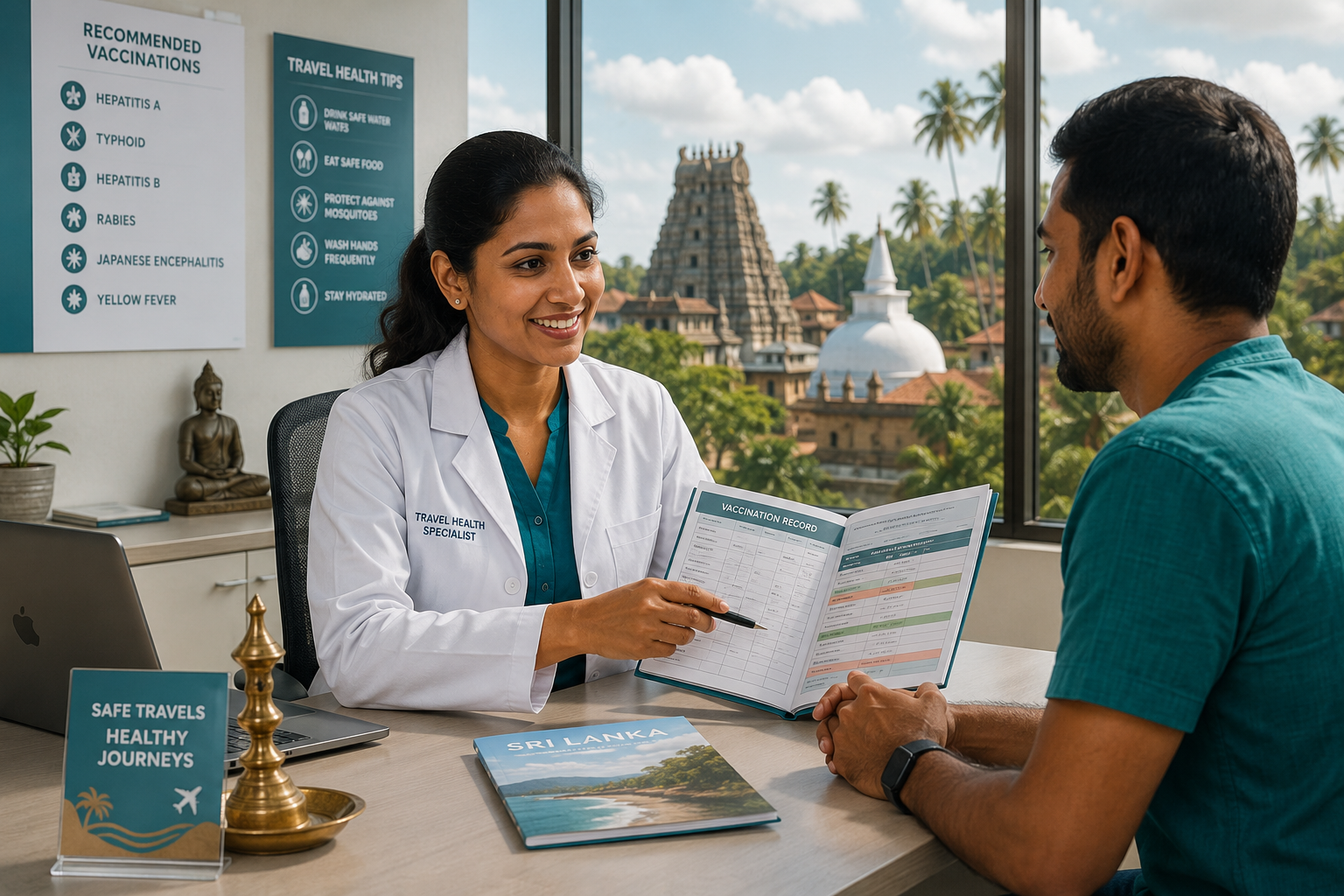
Most travelers to Sri Lanka need hepatitis A and typhoid vaccines, plus up-to-date routine immunizations like MMR and tetanus. Yellow fever vaccination is only required if you’re arriving from a country with yellow fever risk. Start your vaccinations 4-6 weeks before travel, though some protection is possible with shorter notice.
• Required vaccines: Yellow fever certificate only if arriving from affected countries • Strongly recommended: Hepatitis A, typhoid, and current routine vaccines (MMR, tetanus, polio) • Timeline: Start vaccinations 4-6 weeks before departure for full protection • Cost range: $200-600 total for most travelers, depending on vaccines needed • Malaria: Low risk in most tourist areas; consult your doctor about prevention • Water safety: Stick to bottled or properly treated water • Health insurance: Comprehensive travel insurance strongly recommended • Pregnancy: Special considerations apply; consult a travel medicine specialist • Children: May need different vaccine schedules than adults
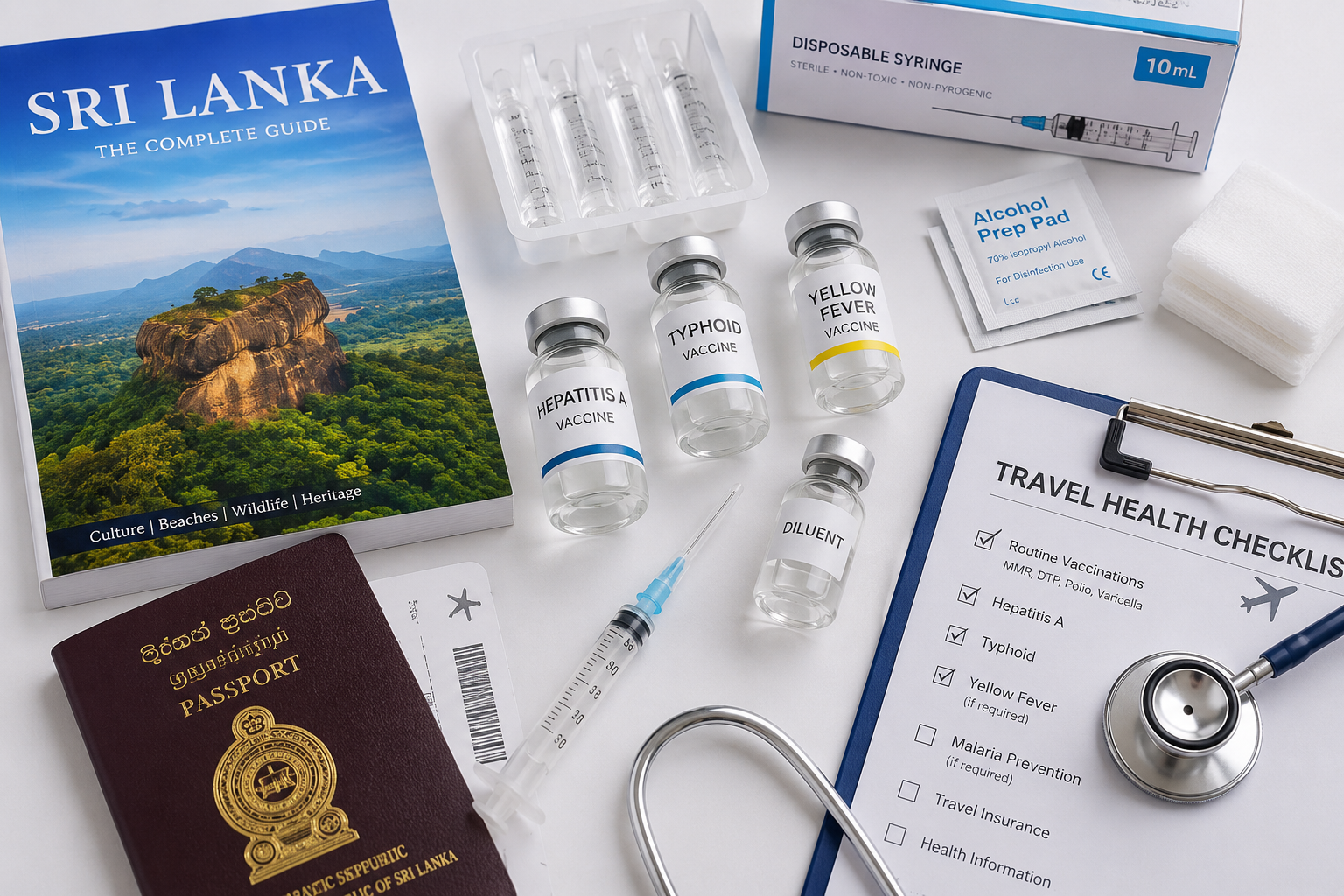
The essential vaccinations for Sri Lanka fall into two categories: routine vaccines you should have anyway, and travel-specific protection against diseases common in the region.
Routine vaccines to update:
Travel-specific vaccines strongly recommended:
Consider based on your activities:
Choose hepatitis A if you’re taking any risks with local food or water. Most travelers should get this regardless of their planned activities [1][3].
Yellow fever vaccination is required only if you’re arriving from a country with yellow fever transmission risk or have transited through such a country for more than 12 hours.
Sri Lanka itself has no yellow fever transmission, but authorities enforce this requirement strictly under International Health Regulations. The requirement applies to travelers over 9-12 months of age [2][3].
Countries that typically require yellow fever certificates include:
If you’re flying directly from North America, Europe, or most Asian countries, you don’t need yellow fever vaccination for Sri Lanka.
Travel vaccines for Sri Lanka typically cost $200-600 total, depending on which vaccines you need and where you get them.
Individual vaccine costs (approximate):
Money-saving strategies:
Focus your budget on hepatitis A and typhoid first, these protect against the most common travel-related illnesses in Sri Lanka [4][5].
Start your vaccination process 4-6 weeks before departure to ensure full protection, though some vaccines provide partial protection with shorter notice.
Ideal timeline:
If you have less time:
Don’t skip vaccines entirely if you’re short on time. Even partial protection is better than none, and you can complete series abroad if necessary [7][8].
Routine vaccines protect against diseases common worldwide, while travel vaccines target diseases specific to your destination region.
Routine vaccines are part of standard healthcare in developed countries:
Travel vaccines protect against regional disease risks:
Both types matter for international travel. Your routine vaccines might have worn off over time, and travel vaccines protect against new exposures you’ll face abroad [3][5].
Most travel vaccines can be given simultaneously, but some require spacing for optimal effectiveness or to manage side effects.
Vaccines you can get together:
Vaccines that need spacing:
Practical approach: Get hepatitis A, typhoid, and routine boosters in one visit. Schedule follow-up appointments for any series vaccines you need.
Your travel medicine provider will create a vaccination schedule that maximizes protection while minimizing clinic visits [8].
Most travel vaccines cause mild side effects that resolve within 1-2 days, similar to routine vaccines.
Common mild side effects:
Vaccine-specific reactions:
Serious side effects are rare but can include severe allergic reactions. Stay at the clinic for 15 minutes after vaccination to monitor for immediate reactions.
Plan to get vaccines on a day when you can rest if needed, and avoid scheduling them right before important activities [1][3].
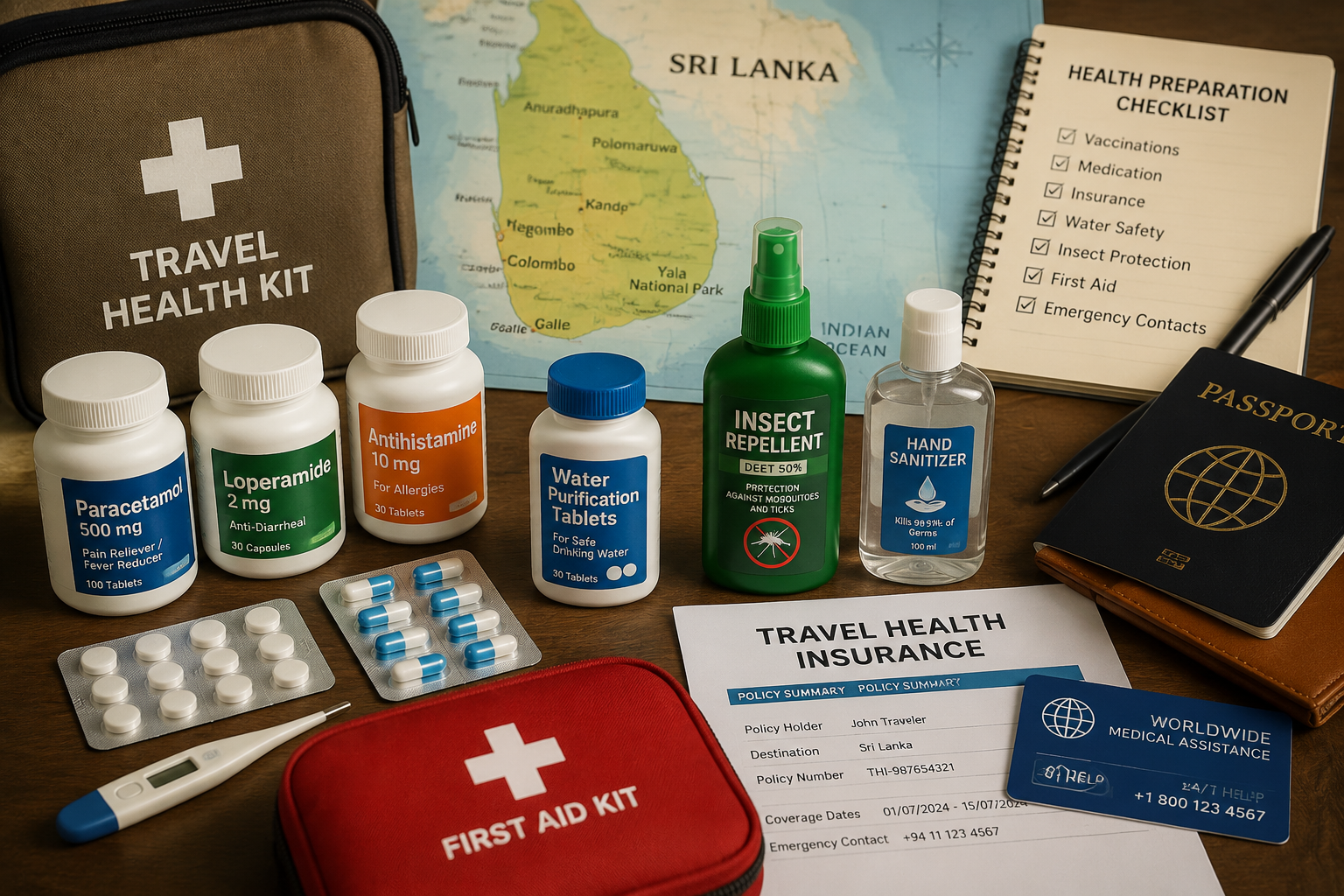
Malaria risk in Sri Lanka is low and concentrated in specific rural areas, so most tourists don’t need antimalarial medication.
Low-risk areas (no medication typically needed):
Higher-risk areas where medication might be recommended:
Prevention focus: Use insect repellent, wear long sleeves at dawn/dusk, and sleep under nets in rural areas. These measures also protect against dengue fever, which is more common than malaria in Sri Lanka.
Consult a travel medicine specialist about your specific itinerary and risk tolerance [3][9].
Comprehensive travel health insurance is essential for Sri Lanka, as medical evacuation and private healthcare can be expensive.
Essential coverage features:
Sri Lanka-specific considerations:
What standard insurance won’t cover:
Purchase travel insurance before you leave home, you can’t buy it once you’re already traveling [9].
Tap water in Sri Lanka is not safe for most international travelers and should be avoided to prevent waterborne illnesses.
Safe water options:
Water risks to avoid:
Practical tip: Use bottled water even for brushing teeth initially. Your stomach needs time to adjust to local bacteria, even in “safe” water sources.
This precaution prevents traveler’s diarrhea, which affects 20-40% of visitors to developing countries [1][5].
The most common health risks for travelers in Sri Lanka are preventable with proper precautions and vaccinations.
Most common travel-related illnesses:
Less common but serious:
Seasonal considerations:
Focus on food and water safety, mosquito protection, and basic hygiene to prevent most travel-related health problems [3][6].
Pregnancy requires special consideration for travel vaccines, as some are safe while others should be avoided.
Generally safe vaccines during pregnancy:
Vaccines to avoid during pregnancy:
Additional pregnancy considerations:
Consult both your obstetrician and a travel medicine specialist before making vaccination decisions during pregnancy [1][8].
Limited time shouldn’t prevent you from getting partial protection, prioritize the most important vaccines and complete others if possible.
Priority order for short timelines:
Strategies for last-minute travel:
What you can do instead:
Even partial vaccination provides more protection than none, and good travel hygiene prevents most illnesses [7][10].
Children follow similar vaccination recommendations but with age-specific considerations for timing and dosing.
Pediatric vaccine considerations:
Special considerations for traveling children:
Practical tips:
Consult a pediatric travel medicine specialist for children under 2 or those with special health needs [1][8].
How far in advance should I book a travel medicine consultation? Book 6-8 weeks before travel, especially during peak travel seasons. Popular travel clinics fill up quickly, and you need time for multi-dose vaccine series.
Can I get travel vaccines at my regular doctor’s office? Some routine vaccines yes, but specialized travel vaccines like yellow fever are often only available at designated travel medicine clinics or health departments.
Do I need vaccines for a short stopover in Sri Lanka? If you’re staying in the airport transit area, no additional vaccines are needed. If you’re leaving the airport even briefly, follow standard recommendations.
Are vaccines required for travel insurance coverage? Most travel insurance doesn’t require vaccines, but some policies may exclude coverage for preventable diseases if you declined recommended vaccines.
Can I get vaccines while traveling in Sri Lanka? Major private hospitals in Colombo offer some travel vaccines, but availability and quality may vary. It’s better to get vaccinated before departure.
What if I’m allergic to vaccine ingredients? Inform your travel medicine provider about allergies. Alternative vaccines or enhanced prevention strategies may be available.
Do vaccines guarantee I won’t get sick? No vaccine is 100% effective, but they significantly reduce your risk of serious illness. Continue practicing good travel hygiene even after vaccination.
How long do travel vaccines last? Varies by vaccine: hepatitis A (lifetime), typhoid (2-3 years), yellow fever (lifetime), Japanese encephalitis (1-3 years depending on risk).
Should I bring my vaccination records when traveling? Yes, especially your yellow fever certificate if required. Keep copies separate from originals and store digital copies in cloud storage.
Can I donate blood after getting travel vaccines? Most vaccines require a waiting period before blood donation. Check with blood donation centers about specific requirements.
Are there any natural alternatives to vaccines? No natural remedies provide equivalent protection to vaccines. Focus on proven prevention methods like proper hygiene and insect protection alongside vaccination.
What should I do if I feel sick after vaccination? Mild symptoms are normal and resolve within 1-2 days. Seek medical attention for severe reactions like difficulty breathing, widespread rash, or high fever.
Getting proper vaccinations and health prep before visiting Sri Lanka doesn’t have to be overwhelming. Focus on the essentials: hepatitis A and typhoid vaccines, plus up-to-date routine immunizations. Start the process 4-6 weeks before departure, but don’t skip vaccines entirely if you’re short on time.
The key is balancing comprehensive protection with practical considerations like cost and timeline. Even partial vaccination combined with good travel hygiene provides significant protection against common travel-related illnesses.
Your next steps:
Remember that vaccines are just one part of staying healthy while traveling. Combine them with smart travel practices, and you’ll be well-prepared to enjoy everything Sri Lanka has to offer.
SEO Meta Title: Vaccinations & Health Prep Before Visiting Sri Lanka Guide 2026
SEO Meta Description: Essential vaccines, health prep, and medical advice for Sri Lanka travel. Get hepatitis A, typhoid shots, plus safety tips for a healthy trip.
[1] Sri Lanka – https://wwwnc.cdc.gov/travel/destinations/traveler/none/sri-lanka [2] Vaccination During International Travel – https://www.epid.gov.lk/vaccination-during-international-travel [3] Sri Lanka – https://travelhealthpro.org.uk/country/204/sri-lanka [4] Sri Lanka Vaccinations – https://pharmtrip.com/en/articles/sri-lanka-vaccinations/ [5] Sri Lanka – https://www.passporthealthusa.com/destination-advice/sri-lanka/ [6] Dengue Monthly – https://www.ecdc.europa.eu/en/dengue-monthly [7] Travel Vaccinations Sri Lanka Uk Guide 2026 – https://newdayspharmacy.com/2026/06/30/travel-vaccinations-sri-lanka-uk-guide-2026/ [8] Vaccinations For Sri Lanka – https://www.tmb.ie/destinations/vaccinations-for-sri-lanka [9] Health – https://www.gov.uk/foreign-travel-advice/sri-lanka/health [10] Vaccinations For Sri Lanka – https://wise.com/gb/blog/vaccinations-for-sri-lanka