Physical Address
304 North Cardinal St.
Dorchester Center, MA 02124
Physical Address
304 North Cardinal St.
Dorchester Center, MA 02124
Last updated: July 19, 2026
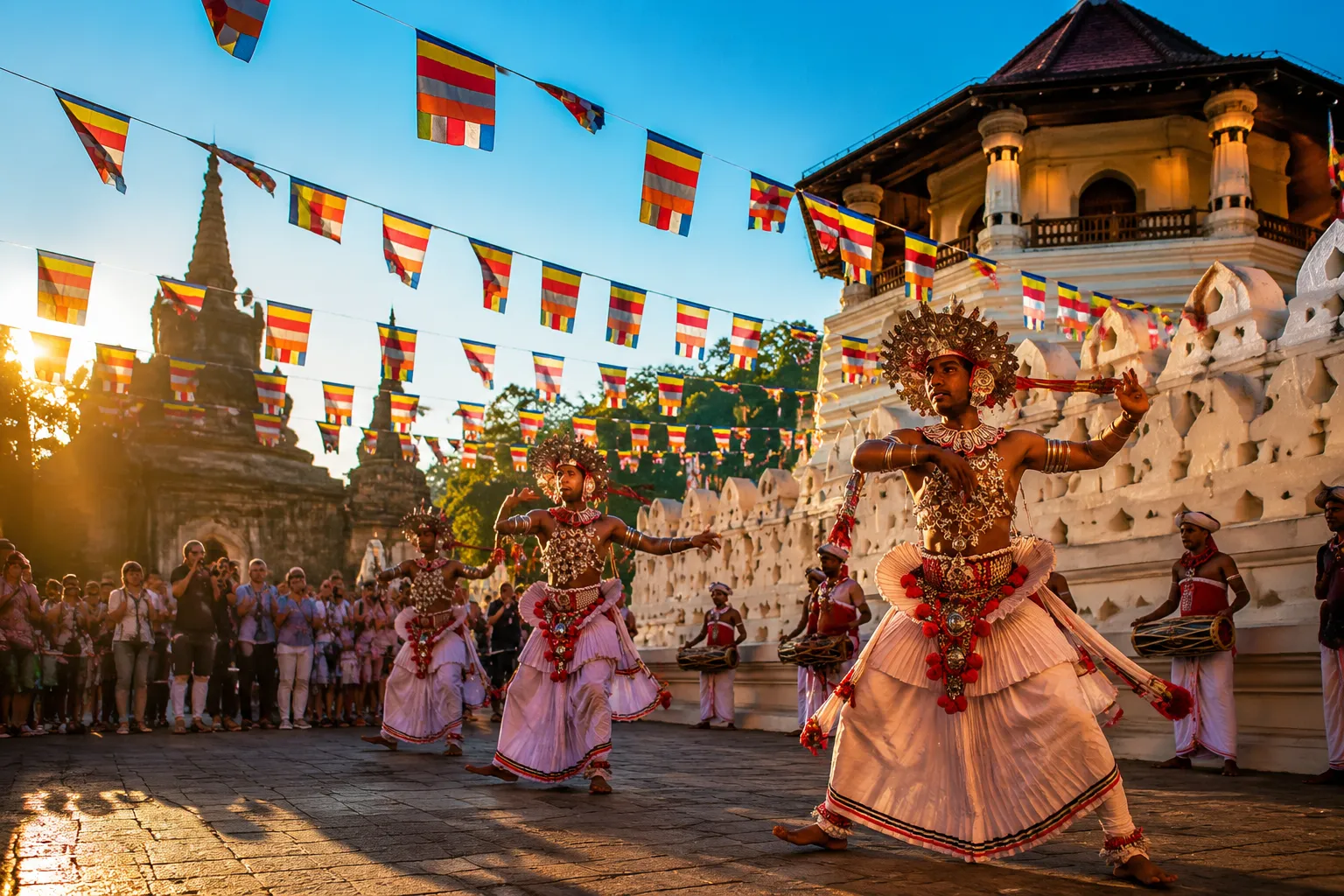
Sri Lanka’s festival calendar directly impacts travel costs, accommodation availability, and tourist attraction access throughout the year. Major religious holidays like Vesak and Sinhalese New Year can increase hotel prices by 30-50% while closing many businesses and transport services for multiple days.
• Peak festival months (April, May, July-August) see highest prices and crowds at major tourist sites • Vesak Day in May closes most businesses and creates traffic restrictions around temples • Sinhalese New Year (April 13-14) shuts down transport and accommodation for 2-3 days • Kandy Esala Perahera in July-August draws massive crowds requiring advance bookings • Poya Days (monthly full moon holidays) affect banking, alcohol sales, and some attractions • Tamil and Muslim festivals create regional impacts, especially in Northern and Eastern provinces • Advance booking 2-3 months ahead is essential during major festival periods • Budget travelers can save 20-40% by avoiding peak festival seasons • Cultural experiences are richest during festivals but require careful planning • Transport disruptions are common during religious holidays and processions
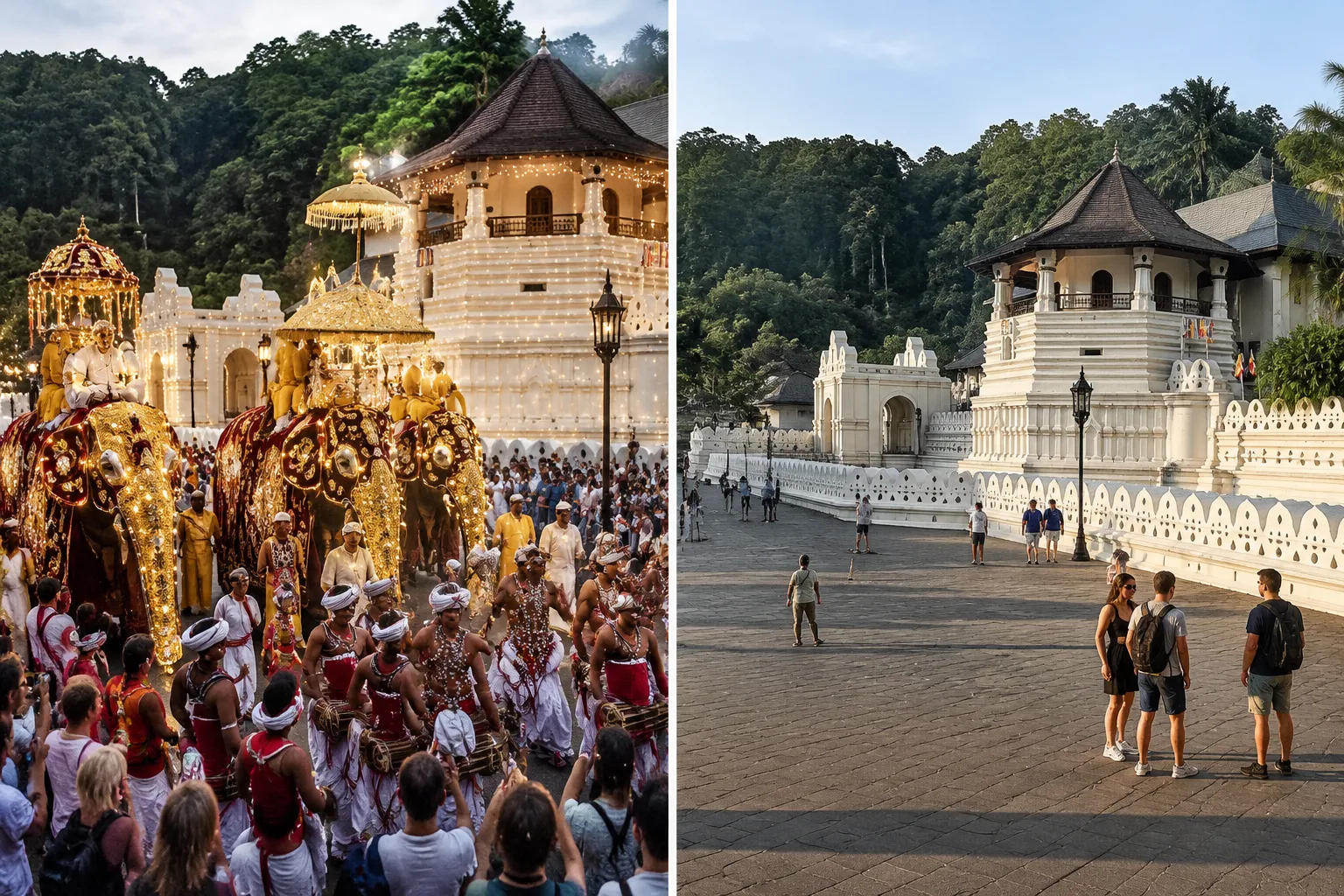
Sri Lanka celebrates over 25 public holidays annually, making it one of the countries with the most official holidays worldwide [1]. The festival calendar reflects the island’s multi-religious heritage, with Buddhist, Hindu, Christian, and Islamic celebrations throughout the year.
Buddhist Festivals (Majority Impact):
• Vesak Day (May) – Buddha’s birth, enlightenment, and death
• Poson Day (June) – Introduction of Buddhism to Sri Lanka
• Esala Perahera (July-August) – Kandy’s grand procession
• Kataragama Festival (July-August) – Multi-religious pilgrimage
Hindu Festivals: • Thai Pusam (January-February) – Lord Murugan worship • Maha Shivaratri (February-March) – Shiva devotion • Nallur Festival (August) – Major Jaffna celebration • Deepavali (October-November) – Festival of lights
National Celebrations: • Sinhalese and Tamil New Year (April 13-14) • Independence Day (February 4) • National Heroes Day (May 22)
Monthly Poya Days: Every full moon brings a public holiday, affecting business operations and creating mini-festival atmospheres around temples [2].
Choose Buddhist festival periods if you want the most immersive cultural experience, but expect higher costs and crowds.
Sinhalese New Year falls on April 13-14 each year, marking the most significant cultural celebration for the Sinhalese majority population [3]. This two-day holiday effectively shuts down most of the country for 3-4 days including the weekend.
What Closes During New Year: • All banks and government offices (April 12-15) • Most restaurants and shops outside tourist areas • Public transport operates on reduced schedules • Many hotels require minimum 3-night stays • Domestic flights may be limited
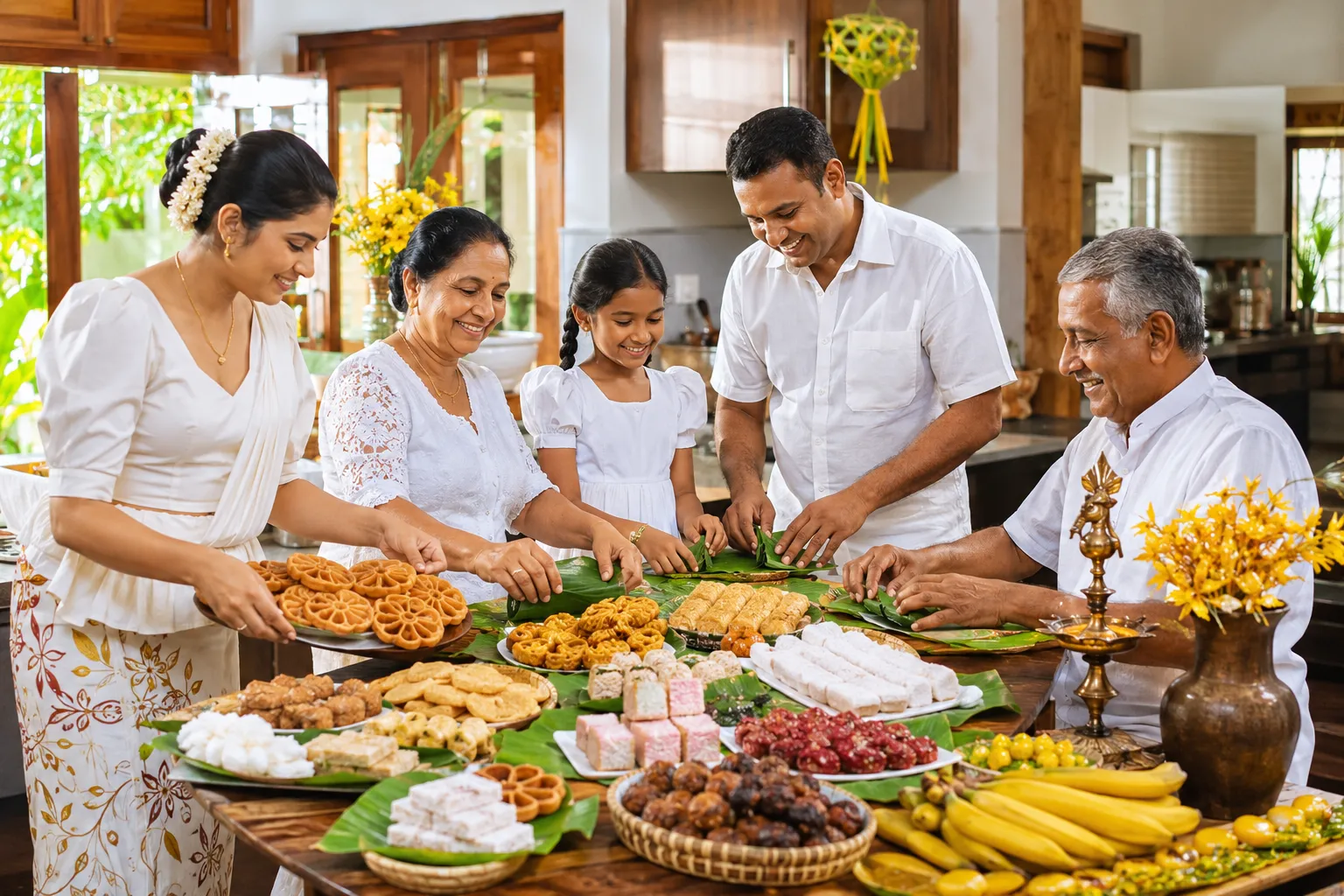
Cultural Activities: Families gather for traditional games, special foods, and rituals based on astrological calculations. The “neutral period” between old and new year involves specific customs like lighting oil lamps and preparing traditional sweets.
Travel Impact: Hotel rates increase 40-60% during this period, and popular destinations like Kandy, Galle, and Nuwara Eliya book out months in advance [4]. Domestic tourism peaks as Sri Lankan families travel together.
Book accommodation by January if traveling during New Year, or consider visiting in March or May for similar weather without the crowds.
The optimal festival season runs from December through August, with the richest cultural experiences concentrated in April-May and July-August [5]. However, these periods also bring the highest costs and largest crowds.
Prime Festival Months:
December-February:
• Duruthu Perahera (January) – Colombo’s major procession
• Thai Pusam (January-February) – Spectacular Hindu devotion
• Moderate crowds and reasonable prices
April-May: • Sinhalese New Year (April 13-14) – Peak cultural immersion • Vesak Day (May) – Most sacred Buddhist celebration • Highest accommodation costs but unmatched cultural depth
July-August: • Kandy Esala Perahera – Sri Lanka’s grandest festival • Kataragama Festival – Multi-religious pilgrimage site • Vel Festival – Tamil celebration in Colombo • Maximum crowds requiring 3-month advance booking
Budget-Friendly Festival Options: Visit during smaller Poya Day celebrations (monthly full moons) for cultural experiences without peak pricing. June’s Poson celebration offers significant Buddhist cultural immersion with moderate tourist impact [6].
Poya Days (monthly full moon holidays) create the most frequent disruptions, closing banks and limiting alcohol sales while increasing temple activity [7]. Major festivals can shut down entire regions for multiple days.
High-Impact Holidays:
Complete Shutdowns: • Sinhalese New Year (April 13-14) – 90% of businesses close • Vesak Day (May) – Transport restrictions near temples • Good Friday – Christian areas affected
Partial Disruptions: • Monthly Poya Days – Banking and alcohol restrictions • Kataragama Festival period – Southern province crowding • Nallur Festival – Northern province transport delays
Tourist Site Impacts: Temple sites become extremely crowded during religious holidays, while some museums and cultural sites may close. The Temple of the Tooth in Kandy sees 10x normal visitor numbers during Esala Perahera [8].
Transport Considerations: Train services to Kandy during Esala Perahera require advance booking, while buses become overcrowded. Domestic flights may add extra services during peak festivals but at premium prices.
Check specific Poya dates when planning, as they shift monthly based on lunar calendar and aren’t fixed to Gregorian dates.
Vesak Day commemorates Buddha’s birth, enlightenment, and death, making it the most sacred day in the Buddhist calendar [9]. Celebrated on the full moon day in May, it transforms Sri Lanka into a festival of lights and devotion.
Traditional Celebrations: • Vesak Lanterns – Elaborate paper lanterns illuminate homes and streets • Pandals – Large illuminated displays depicting Buddhist stories • Dansalas – Free food stalls offering meals to all visitors • Temple Activities – Special prayers, meditation, and offerings
Travel Experience: The entire island becomes a cultural showcase, with families creating artistic light displays and communities organizing free food distribution. Major cities like Colombo and Kandy feature competition-level pandal displays that attract thousands of visitors.
Practical Considerations: Most businesses close for the day, alcohol sales are prohibited, and traffic restrictions apply near major temples. However, the cultural immersion opportunity is unparalleled, with locals welcoming visitors to participate in celebrations.
Plan to experience Vesak in Colombo or Kandy for the most elaborate displays, but book accommodation well in advance as this is peak domestic tourism season.
Sri Lankan festivals are generally very safe for tourists, with locals often going out of their way to welcome international visitors and explain cultural significance [10]. The biggest risks are crowds, traffic, and overstimulation rather than safety concerns.
Safety Advantages:
• Strong police presence during major festivals
• Community-oriented celebrations with family atmospheres
• Religious festivals emphasize peace and compassion
• Tourist police specifically assist international visitors
Practical Precautions: • Dress modestly, especially at temple festivals (cover shoulders and knees) • Remove shoes before entering temple grounds • Stay hydrated during outdoor processions • Keep valuables secure in crowded areas • Follow local guidance about photography restrictions
Cultural Etiquette: Participate respectfully by observing before joining activities. Many festivals welcome tourist participation in activities like offering flowers at temples or receiving blessed food at dansalas.
The main challenge is navigation and logistics rather than safety – festivals can create traffic chaos and overwhelm first-time visitors with sensory experiences.
Religious holidays create dramatic price fluctuations, with accommodation costs increasing 30-70% during major festivals while availability drops significantly [1]. Understanding this pricing pattern helps budget-conscious travelers save substantially.
Price Impact by Festival:
Extreme Premium (50-70% increase):
• Kandy Esala Perahera – July/August
• Sinhalese New Year – April 13-14
• Vesak Day – May full moon
Moderate Premium (20-40% increase): • Monthly Poya Days • Kataragama Festival period • Christmas/New Year period
Flight Pricing: Domestic flights to Kandy and cultural triangle destinations can double during Esala Perahera. International flights see moderate increases during April New Year period due to diaspora travel patterns.
Booking Strategy: Reserve accommodation 2-3 months ahead for major festivals, or consider staying in less popular areas and day-tripping to festival locations. Colombo often has better availability than cultural cities during peak periods.
Budget travelers can save 40-60% by shifting travel dates just one week before or after major festivals while still experiencing smaller Poya Day celebrations.
While both communities celebrate the April New Year simultaneously, the cultural expressions and regional impacts differ significantly based on population concentrations and traditions [2].
Sinhalese New Year (Majority Celebration): • Location Focus: Central, Southern, and Western provinces • Duration: 2-3 days of major activities • Key Traditions: Oil lamp lighting, traditional games, astrological timing • Food Specialties: Kavum, kokis, aasmi sweets • Business Impact: Complete shutdown in Sinhalese-majority areas
Tamil New Year (Regional Celebration): • Location Focus: Northern and Eastern provinces, Colombo Tamil areas • Cultural Elements: Kolam (rice flour designs), mango leaf decorations • Religious Aspects: Temple visits and special prayers • Food Traditions: Payasam, vadai, different sweet varieties • Business Impact: Significant in Jaffna, moderate elsewhere
Travel Implications: Jaffna and the Northern Province experience their peak domestic tourism during Tamil New Year, while Southern beach areas see Sinhalese family gatherings. Colombo experiences both celebrations simultaneously, creating the richest cultural diversity but also maximum crowding.
Choose Northern destinations for authentic Tamil celebrations or Southern/Central areas for traditional Sinhalese experiences.
April and the July-August period present the most challenging travel conditions due to overlapping major festivals, peak domestic tourism, and maximum price premiums [5].
Highest Impact Months:
April (Most Challenging): • Sinhalese/Tamil New Year (April 13-14) • School holidays increase domestic travel • Pre-monsoon heat adds discomfort • 60-70% accommodation price increases
July-August (Crowded but Rewarding): • Kandy Esala Perahera draws international attention • Multiple regional festivals overlap • Peak tourist season for cultural experiences • Advance booking essential but experiences are exceptional
Monthly Poya Disruptions: Every month has one full moon Poya Day affecting banking and alcohol sales, but these create minor inconveniences rather than major travel disruptions.
Alternative Timing: March and September offer excellent weather with minimal festival disruptions, while still providing occasional Poya Day cultural experiences. May can be rewarding for Vesak if you book early and embrace the cultural immersion.
Avoid April entirely if you’re budget-conscious or prefer uncrowded experiences, but consider July-August if cultural festivals are your primary travel motivation.
Most Sri Lankan temple festivals actively welcome tourist participation, with locals often encouraging visitors to join appropriate activities and explaining cultural significance [6]. The key is understanding which activities are open to non-Buddhists and following proper etiquette.
Tourist-Friendly Activities: • Flower Offerings: Purchase lotus flowers outside temples for Buddha statue offerings • Dansala Participation: Accept free food and drinks at community stalls during Vesak • Procession Viewing: Join crowds lining streets during Perahera parades • Temple Visits: Explore temple grounds during festival preparations • Photography: Most festivals allow photography with respectful distance
Cultural Guidelines: • Remove shoes before entering temple buildings • Dress modestly (long pants, covered shoulders) • Don’t point feet toward Buddha statues • Ask permission before photographing people in traditional dress • Follow local cues about when to stand or sit during ceremonies
Language Barriers: Many temple volunteers speak basic English during major festivals, and younger Sri Lankans often help translate cultural explanations for interested tourists.
Best Participation Opportunities: Vesak celebrations offer the most tourist-inclusive activities, while smaller Poya Day temple visits provide intimate cultural experiences with less overwhelming crowds.
Pongal, celebrated in January, serves as the Tamil harvest festival marking the end of the rice harvest season and honoring the sun god [7]. In Sri Lanka, it’s primarily celebrated in Tamil-majority areas of the Northern and Eastern provinces.
Traditional Celebrations:
• Pongal Cooking: Sweet rice dish prepared in new clay pots until it overflows (symbolizing abundance)
• Cattle Honoring: Decorating and thanking oxen and cows for agricultural help
• Kolam Designs: Intricate rice flour patterns decorating home entrances
• Family Gatherings: Multi-generational celebrations with traditional foods
Regional Impact: Jaffna peninsula experiences the most elaborate celebrations, with temple festivals and community gatherings. Eastern province areas like Batticaloa also hold significant celebrations affecting local business hours and transport.
Tourist Experience: Pongal offers authentic cultural immersion with less commercial tourism impact than major Buddhist festivals. Visitors can observe traditional cooking methods, participate in kolam creation, and experience genuine Tamil hospitality.
Travel Considerations: Northern province hotels may have higher occupancy during Pongal due to diaspora visits, but the impact is regional rather than island-wide. This makes it an excellent time to experience Tamil culture while avoiding the crowds of major Buddhist festivals.
Public holiday closures vary significantly based on the type of holiday, location, and business category, with tourist areas maintaining more services than local neighborhoods [8].
Complete Closure Holidays: • Sinhalese New Year (April 13-14): 80-90% of businesses close including many tourist restaurants • Vesak Day: Most shops close, alcohol sales prohibited, limited restaurant options • Good Friday: Christian-majority areas significantly affected
Partial Impact Holidays: • Monthly Poya Days: Banks and government offices close, alcohol sales restricted, most restaurants remain open • Religious Festivals: Shops in relevant religious communities may close while others operate normally
Tourist Area Exceptions: Colombo’s tourist districts, Galle Fort, and major beach resorts typically maintain restaurant and shop services during most holidays. Hotel restaurants almost always remain open regardless of public holidays.
Essential Services: Pharmacies, hospitals, and some supermarkets maintain emergency hours during major holidays. Tourist police and emergency services operate continuously.
Planning Strategy: Stock up on essentials before major holidays, identify hotel restaurants as backup dining options, and confirm tour operator availability in advance. ATMs may be limited during banking holidays, so carry sufficient cash.
Festival period bookings require 2-4 months advance planning depending on the event’s scale and your accommodation preferences, with some premium properties requiring even earlier reservations [9].
Booking Timeline by Festival:
3-4 Months Ahead: • Kandy Esala Perahera: Premium hotels book out 6 months early • Sinhalese New Year: Popular family destinations fill quickly • Vesak Day: Colombo and cultural triangle accommodations
2-3 Months Ahead: • Major Poya Days: Temple city accommodations • Kataragama Festival: Southern province hotels • Christmas/New Year: Beach resort peak season
1-2 Months Ahead: • Regional festivals: Nallur, local Peraheras • Minor religious holidays: Adequate for most areas
Last-Minute Options: Colombo business hotels often have availability even during festivals, though at premium prices. Consider staying outside festival epicenters and day-tripping to events.
Booking Strategy: Reserve accommodation first, then plan activities around confirmed lodging. Many hotels offer festival packages including transportation and reserved viewing areas for major events like Esala Perahera.
Cancellation Policies: Festival period bookings often have stricter cancellation terms, so purchase travel insurance and understand refund policies before committing to expensive advance reservations.
Do I need to dress differently during Sri Lankan festivals? Yes, dress modestly with covered shoulders and knees, especially when visiting temples. Remove shoes before entering temple buildings and avoid revealing clothing during religious celebrations.
Can I drink alcohol during religious holidays? Alcohol sales are prohibited on Poya Days (monthly full moon holidays) and major Buddhist festivals like Vesak. Hotels may still serve alcohol to guests, but public sales stop completely.
Are ATMs and banks open during festivals? Banks close on all Poya Days and major holidays. ATMs usually function, but may run out of cash during extended holiday periods. Carry sufficient cash before major festivals.
Do festivals affect domestic flight schedules? Yes, domestic flights may operate reduced schedules during major holidays, while demand increases significantly. Book domestic flights 1-2 months ahead during festival periods.
Can I take photos during temple festivals? Photography is generally allowed in temple courtyards and during processions, but ask permission before photographing people and avoid flash photography inside shrine rooms.
Are restaurants open during Vesak and other Buddhist holidays? Many local restaurants close during major Buddhist holidays, but hotel restaurants and tourist area establishments typically remain open. Plan backup dining options in advance.
Do festivals affect train travel to cultural sites? Train services to Kandy and cultural triangle destinations become extremely crowded during festivals. Reserve seats in advance or consider alternative transportation methods.
Are there age restrictions for festival participation? No age restrictions exist for festival participation. Families with children are welcome at all celebrations, though consider crowd sizes and noise levels for very young children.
Do I need special permits to attend festivals? No special permits are required to attend public festivals. However, some temple ceremonies may have restricted areas for devotees only.
How do festivals affect tour guide availability? Tour guides are in high demand during festival periods and may charge premium rates. Book guides 1-2 months in advance for major festivals like Esala Perahera.
Are credit cards accepted during festival periods? Credit card acceptance doesn’t change during festivals, but many small vendors and food stalls operate cash-only. Banking closures may limit cash access, so plan accordingly.
Do festivals create traffic problems in major cities? Yes, major festivals cause significant traffic congestion, especially in Kandy during Esala Perahera and Colombo during Vesak. Allow extra travel time and consider walking distances.
Understanding Sri Lankan festivals and holidays transforms travel planning from reactive to strategic. The key insight is that festival periods offer the richest cultural experiences but demand careful advance planning and budget adjustments.
Essential Planning Steps: Book accommodation 2-4 months ahead for major festivals, carry extra cash during Poya Days, and dress modestly for temple celebrations. Consider staying in Colombo during peak festivals and day-tripping to events for better availability and pricing flexibility.
Smart Timing Choices: Visit during smaller Poya Day celebrations for authentic cultural experiences without peak crowds, or embrace major festivals like Vesak and Esala Perahera for once-in-a-lifetime cultural immersion despite higher costs.
The most successful festival travel combines respect for local customs with practical logistics planning, creating meaningful cultural connections while avoiding common tourist pitfalls.
[1] Expert Guide Festivals And Events July August 2026 – https://srilankatourhelp.org/ar/articles/expert-guide-festivals-and-events-july-august-2026 [2] Festivals Events – https://www.odynovotours.com/sri-lanka/festivals-events.html [3] Festivals – https://www.destinationceylon.com/festivals/ [4] Festivals Year Around – https://srilanka.travel/festivals_year_around [5] Sri Lanka In July – https://pickyourtrail.com/blog/sri-lanka-in-july [6] Festivals Sri Lanka – https://trekgo.in/blog/festivals-sri-lanka [7] Fiestas En Sri Lanka – https://www.lasociedadgeografica.com/blog/festividades/fiestas-en-sri-lanka/ [8] Sri Lanka In July Travel Tips Weather And More – https://www.kimkim.com/c/sri-lanka-in-july-travel-tips-weather-and-more [9] Festivals In Sri Lanka – https://traveltriangle.com/blog/festivals-in-sri-lanka/ [10] Festivals In Sri Lanka – https://srilankatravellife.com/2026/05/29/festivals-in-sri-lanka/
SEO Meta Title: Understanding Sri Lankan Festivals & Holidays Travel Guide 2026
SEO Meta Description: Complete guide to Sri Lankan festivals and holidays affecting travel. Learn when to visit, booking timelines, costs, and cultural experiences for 2026.