Physical Address
304 North Cardinal St.
Dorchester Center, MA 02124
Physical Address
304 North Cardinal St.
Dorchester Center, MA 02124
Last updated: July 18, 2026
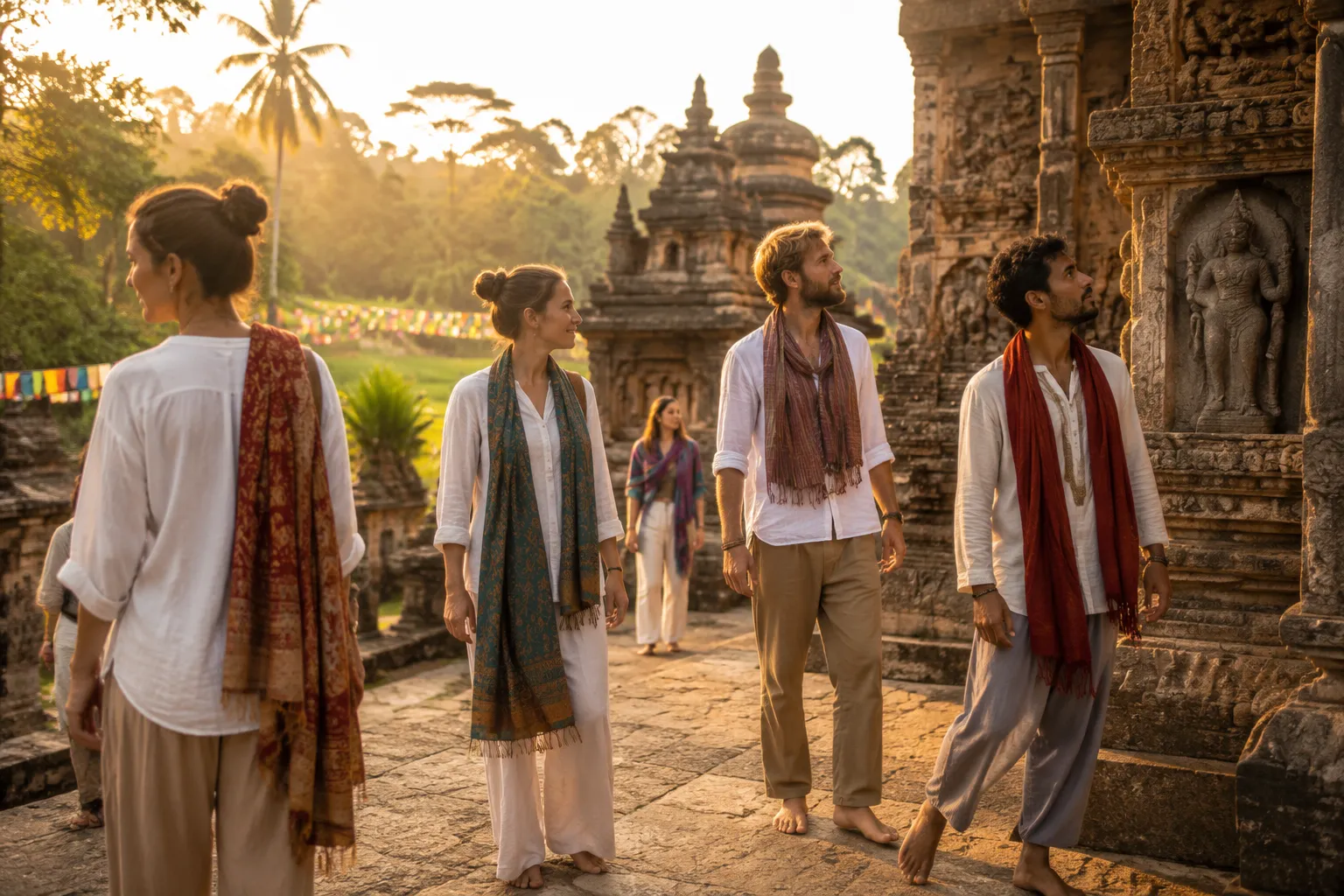
Sri Lanka’s tropical climate and deeply rooted cultural traditions require thoughtful clothing choices that balance comfort with respect. The key to dressing appropriately in Sri Lanka is choosing lightweight, breathable fabrics that cover your shoulders and knees for temple visits while keeping you cool in temperatures that regularly reach 86°F (30°C) with high humidity.
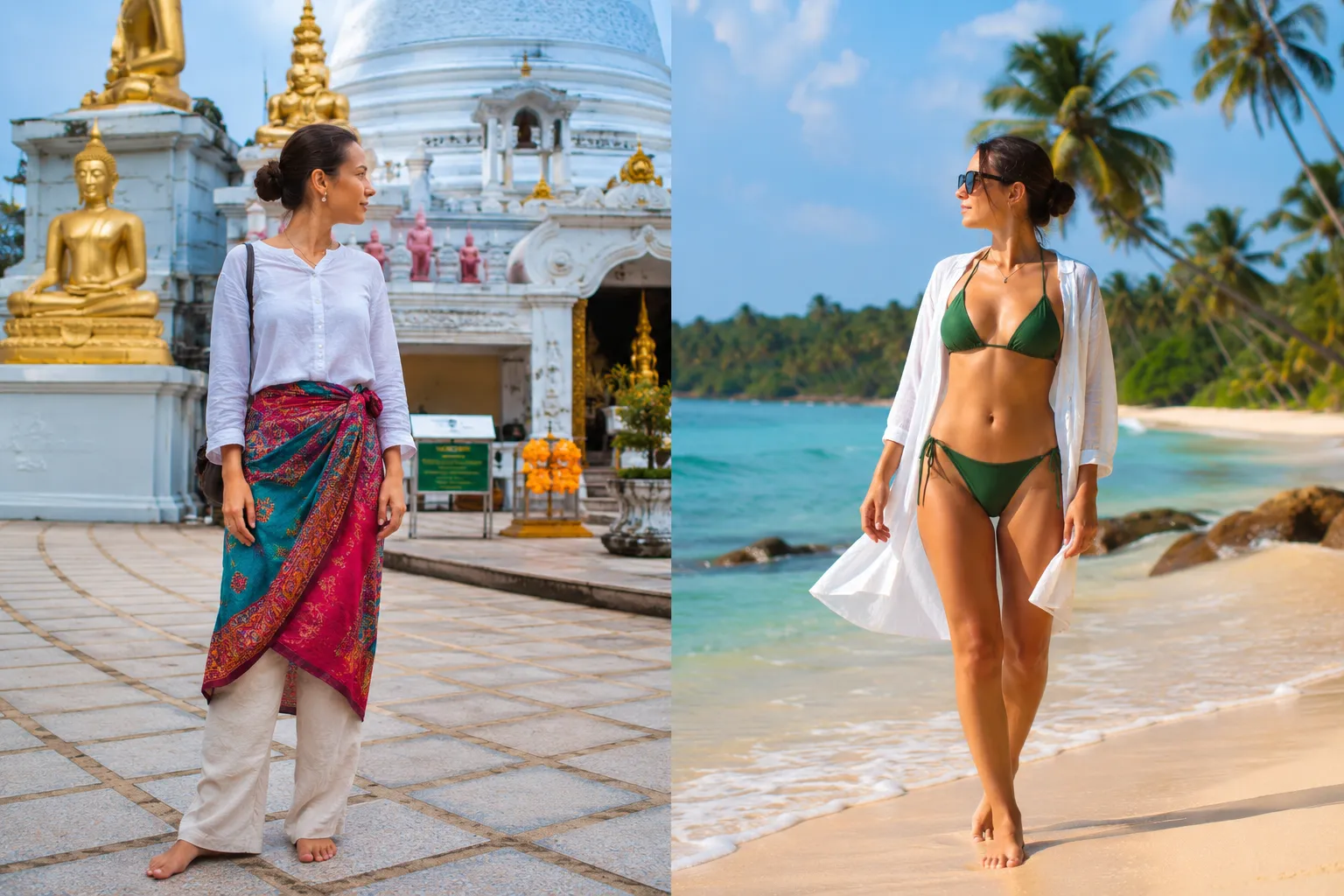
Cover your shoulders, arms, and legs from knee to ankle when visiting temples, religious sites, and traditional communities. This means long pants or ankle-length skirts, and shirts that cover your shoulders completely.
Sri Lankan culture values modesty, especially in religious contexts. Buddhist temples, Hindu kovils, and Muslim mosques all require conservative dress codes. Many temples won’t allow entry if you’re not properly covered.
Essential respectful clothing items:
Common mistake: Wearing tank tops with a sarong thrown over at the last minute. Temple dress codes require proper clothing, not makeshift coverage.
Choose white or light colors when possible – they’re considered auspicious in Buddhist culture and help reflect heat.
Natural fibers like cotton and linen are your best friends in Sri Lanka’s tropical climate. These materials allow air circulation and absorb moisture better than synthetic fabrics.
Sri Lanka maintains temperatures between 80-90°F (27-32°C) year-round with humidity levels often exceeding 80%. Your clothing needs to breathe while protecting you from intense UV rays.
Top fabric choices:
Avoid these materials:
Pro tip: Pack clothes you can layer. Air-conditioned buses and restaurants can be surprisingly cold compared to the outdoor heat.
Tank tops, shorts, mini skirts, and revealing necklines are strictly prohibited at religious sites. Many temples have dress code enforcement and will refuse entry to inappropriately dressed visitors.
Buddhist temples are particularly strict about coverage requirements. You’ll need to remove shoes and hats before entering, so plan accordingly.
Specifically avoid:
Temple etiquette extras:
Some temples provide sarongs for rent, but bringing your own ensures you’re always prepared.
Women face stricter dress codes than men, particularly regarding shoulder and leg coverage. While men can wear short sleeves in most contexts, women should plan for full coverage in religious and rural settings.
Women’s guidelines:
Men’s guidelines:
Beach exceptions: Both men and women can wear standard swimwear at beaches and resort pools, but cover up when walking through towns or villages.
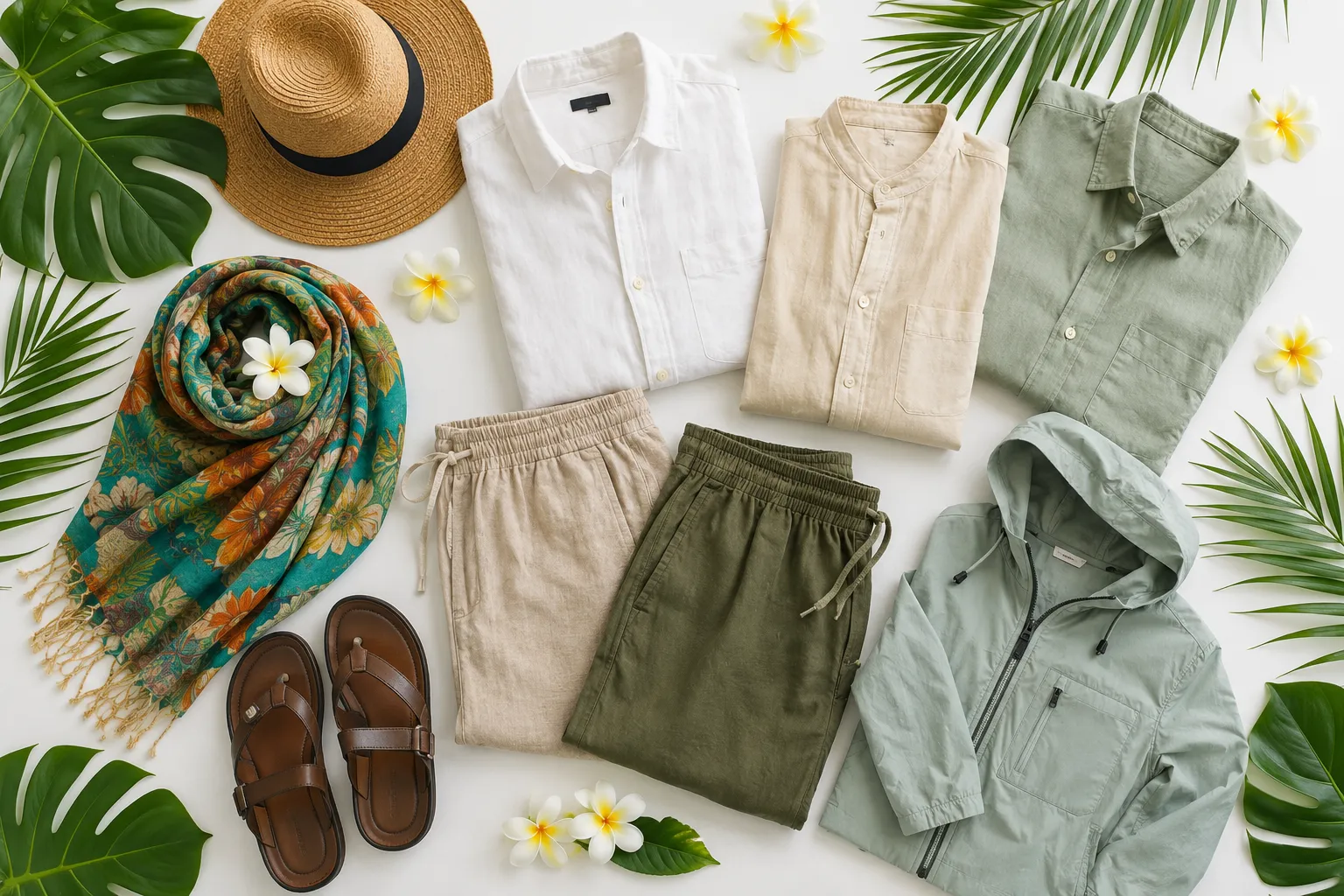
Cotton and linen blends offer the perfect combination of breathability and durability for Sri Lankan conditions. Pure linen wrinkles heavily, while cotton-linen blends maintain shape better during travel.
Look for fabrics with loose weaves that allow maximum air circulation. Tightly woven materials trap heat even if they’re made from natural fibers.
Best fabric combinations:
Fabric treatments to consider:
Shopping tip: Test fabric breathability by holding it up to light. If you can see through it easily, air can flow through it.
Choose loose-fitting clothes in light colors to maximize airflow while maintaining coverage. Tight clothing traps heat against your skin, making modest coverage uncomfortable in tropical conditions.
The key is creating air circulation between your skin and clothing. Loose pants and flowing tops allow hot air to escape while protecting you from sun and cultural sensitivity issues.
Smart layering strategies:
Color choices that help:
Fit guidelines: Your clothes should be loose enough to pinch fabric away from your skin but not so baggy they catch on things or look sloppy.
Dry season (December-March) requires sun protection and lightweight layers, while monsoon seasons (April-June and October-November) need quick-dry fabrics and waterproof gear.
Sri Lanka has two monsoon seasons affecting different parts of the island. Your packing list should match both your travel dates and destinations.
Dry season essentials:
Monsoon season additions:
Year-round necessities:
Shorts are generally acceptable for tourists in major cities and beach areas, but should be avoided in villages and religious sites. The acceptability depends more on context than location.
In Colombo, Kandy, and other tourist-heavy cities, you’ll see locals and visitors wearing shorts. However, knee-length or longer shorts show more respect for local customs.
Where shorts work:
Where to avoid shorts:
Compromise option: Lightweight, knee-length shorts in neutral colors work in most casual urban settings while showing cultural awareness.
Standard swimwear is acceptable at beaches and resort pools, but cover up with a sarong or shirt when walking through towns or interacting with locals. Beach communities are accustomed to tourist swimwear, but respect local sensibilities outside beach boundaries.
Sri Lankan beaches welcome international visitors, but the culture remains conservative. A simple cover-up shows respect and prevents uncomfortable situations.
Beach-appropriate items:
Cover-up situations:
Topless sunbathing is not acceptable anywhere in Sri Lanka, including private resort beaches.
The biggest mistake is bringing only Western-style casual wear without considering temple visits and cultural sites. Many tourists end up buying emergency clothing or missing temple visits because they packed inappropriately.
Top mistakes to avoid:
Shopping emergency solutions:
Prevention strategy: Pack at least three temple-appropriate outfits and one rain outfit regardless of your planned activities. Plans change, and it’s better to be prepared.
Yes, a large sarong or scarf is essential for temple visits and serves multiple practical purposes throughout your trip. Many temples require additional coverage even if you’re dressed modestly, and sarongs provide instant adaptability.
A quality sarong works as emergency temple wear, beach towel, blanket for cold buses, and privacy screen when changing clothes. It’s one of the most versatile items you can pack.
Sarong benefits:
What to look for:
Where to buy: Local markets offer the best selection and prices, but bringing one from home ensures you’re prepared from day one.
Comfortable walking sandals with good grip are essential, plus one pair of closed-toe shoes for temple visits and nicer restaurants. Sri Lanka’s varied terrain includes everything from beach sand to mountain trails to temple stone floors.
Your feet will encounter hot pavement, wet surfaces during monsoons, and frequent shoe removal at religious sites. Prioritize comfort and quick removal over fashion.
Essential footwear:
Features to prioritize:
Avoid: High heels, brand-new shoes that aren’t broken in, and anything with complicated lacing systems.
Sri Lankan locals typically wear modest, lightweight clothing in bright colors – cotton shirts, loose pants or long skirts, and comfortable sandals. Professional settings call for more formal attire, but daily wear prioritizes comfort in the tropical climate.
Understanding local dress helps you blend in better and shows cultural respect. Sri Lankans dress more formally than many Western tourists expect.
Common local styles:
Color preferences: Bright colors and patterns are popular. White is common for religious occasions. Avoid all-black outfits, which are associated with mourning.
Fabric choices: Cotton dominates, with some linen and synthetic blends. Heavy fabrics are rare except for special occasions.
Smart casual is the standard for most restaurants and nightlife venues – think collared shirts, nice pants, and closed shoes rather than formal suits or cocktail dresses. Sri Lanka’s evening scene is relaxed but appreciates effort over beach casual.
Even upscale restaurants rarely require formal dress codes, but showing up in flip-flops and shorts marks you as a tourist who doesn’t understand local customs.
Evening outfit ideas:
Nightlife considerations:
Jewelry and accessories: Sri Lankans appreciate jewelry and accessories. Don’t be afraid to add colorful scarves, earrings, or watches to your evening look.
Dressing appropriately for Sri Lanka comes down to respecting local culture while staying comfortable in tropical conditions. Pack lightweight, modest clothing in breathable fabrics, always carry a sarong for temple visits, and choose comfortable footwear you can easily remove.
The most successful approach is bringing versatile pieces that work in multiple settings – a cotton long-sleeve shirt serves for temple visits, sun protection, and evening dining. Focus on natural fabrics, modest coverage, and practical accessories like sarongs and comfortable walking sandals.
Start planning your Sri Lanka wardrobe by checking your travel dates against monsoon seasons, then build around temple-appropriate basics. When in doubt, choose more coverage over less – you can always remove layers, but you can’t add modesty to revealing clothes when visiting sacred sites.
Can I wear shorts in Sri Lanka? Shorts are acceptable in tourist areas and beaches but not in temples, rural villages, or formal settings. Knee-length or longer shorts show more cultural respect than very short styles.
What should I wear to Sri Lankan temples? Cover your shoulders, arms, and legs from knee to ankle. Long pants or ankle-length skirts, long-sleeve shirts, and easily removable shoes are required. Bring a sarong for extra coverage.
Is it too hot to wear long pants in Sri Lanka? No, if you choose lightweight fabrics like cotton or linen. Loose-fitting long pants actually protect you from sun and insects while allowing air circulation. Locals wear long pants daily.
Can women wear sleeveless tops in Sri Lanka? Sleeveless tops are acceptable in tourist areas and beaches but not appropriate for temples, rural areas, or conservative settings. Pack some long-sleeve options for versatility.
What fabrics work best in Sri Lanka’s climate? Cotton, linen, and bamboo fiber are ideal. These natural materials breathe well and absorb moisture. Avoid polyester and other synthetic fabrics that trap heat and humidity.
Do I need to pack formal clothes for Sri Lanka? No, Sri Lanka is generally casual. Smart casual (collared shirts, nice pants) works for upscale restaurants. Save luggage space and skip formal suits or cocktail dresses.
Should I buy clothes in Sri Lanka or pack everything? Pack temple-appropriate basics and buy additional items locally. Sri Lankan markets offer excellent cotton clothing at low prices, and it’s fun to shop for colorful local styles.
What shoes should I avoid in Sri Lanka? Avoid high heels, brand-new shoes, and anything with complicated laces. Prioritize comfort, quick removal for temples, and good traction for wet surfaces during monsoons.
Are bright colors appropriate in Sri Lanka? Yes, Sri Lankan culture embraces bright colors and patterns. Colorful clothing is welcomed and appreciated. White is especially good for temple visits and reflects heat well.
Can I wear the same clothes year-round in Sri Lanka? Mostly yes, but add rain gear during monsoon seasons (April-June and October-November). The temperature stays consistent, but rainfall varies dramatically by season and region.
What’s the biggest clothing mistake tourists make? Bringing only Western casual wear (shorts and tank tops) without modest temple clothing. This leads to missed cultural experiences or emergency shopping for appropriate coverage.
How many sarongs should I bring to Sri Lanka? One quality sarong is sufficient, but consider bringing two if you plan extensive temple visits or beach time. They’re lightweight and serve multiple purposes beyond temple coverage.
SEO Meta Title: What to Wear in Sri Lanka: Respectful Climate Guide 2026
SEO Meta Description: Complete guide to dressing respectfully and comfortably in Sri Lanka. Temple attire, tropical fabrics, cultural dress codes, and packing tips for every season.