Physical Address
304 North Cardinal St.
Dorchester Center, MA 02124
Physical Address
304 North Cardinal St.
Dorchester Center, MA 02124
Last updated: July 14, 2026
Sri Lanka’s railway system offers one of the world’s most spectacular train journeys, with routes that wind through misty mountains, tea plantations, and coastal landscapes. This Sri Lanka train travel guide covers everything you need to know about booking tickets, choosing the right class, and experiencing the country’s most scenic routes.
• Book 30 days in advance for first and second-class seats on popular routes like Kandy to Ella • Three classes available: First class (air-conditioned with panoramic windows), second class (padded seats with fans), and third class (hard benches, most economical) • Hill Country Line from Kandy to Ella is the most scenic route, featuring tea plantations and mountain views above 1,800 meters • Coastal Line from Colombo to Matara runs alongside the Indian Ocean with stunning beach views • Sit on the right side after Hatton for the best valley views on the Kandy-Ella route • Unreserved tickets are sold day-of-departure but don’t guarantee seats • Peak season (December-March) requires earlier booking and higher prices • Trains are generally safe for solo travelers, including women • Journey times vary: Colombo to Kandy takes 3-4 hours, Kandy to Ella takes 6-7 hours
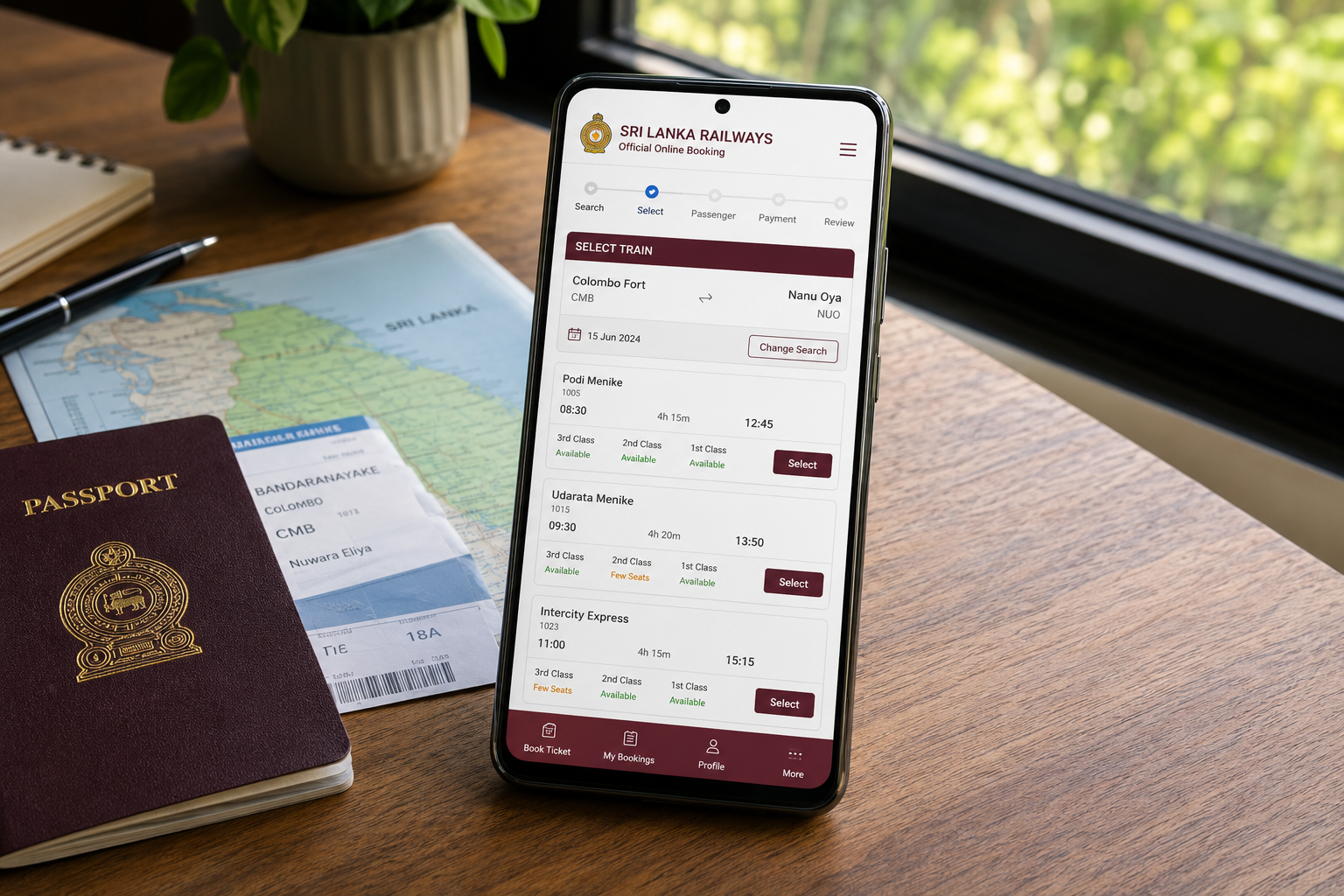
Online booking for Sri Lankan trains is limited and primarily available through third-party platforms rather than an official railway website. Most travelers book tickets in person at railway stations up to 30 days in advance for reserved seats [4].
In-Person Booking Process: • Visit major stations like Colombo Fort, Kandy, or Galle • Bring your passport for identification • Pay in Sri Lankan Rupees (cash preferred) • Collect printed tickets with seat assignments
Third-Party Online Options: Some travel agencies and booking platforms offer online reservations with service fees, but availability is limited compared to in-person booking.
Common Mistake: Don’t rely solely on online booking for popular routes. Always have a backup plan to book at the station, especially during peak tourist season.
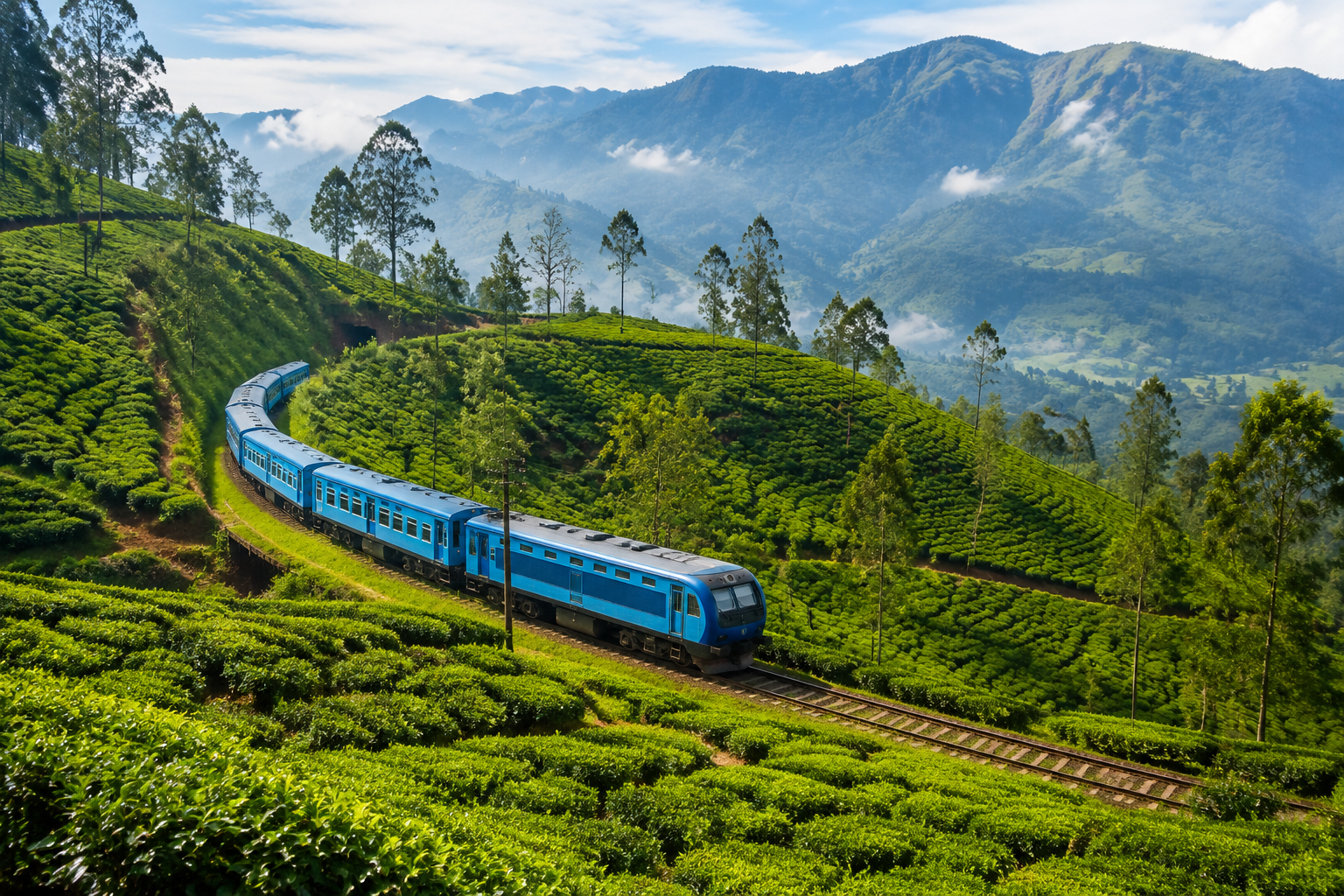
The Hill Country Line from Kandy to Ella ranks as Sri Lanka’s most spectacular train journey, passing through tea plantations, tunnels, waterfalls, and mountain passes at elevations above 1,800 meters [1]. This route showcases the island’s central highlands in all their glory.
Top Scenic Routes: • Kandy to Ella: 6-7 hours through tea country and mountains • Colombo to Matara: Coastal views along the Indian Ocean [2] • Colombo to Kandy: Mix of urban and hill country landscapes • Nuwara Eliya to Ella: Shorter highland section with intense mountain scenery
Best Photography Spots: The Nine Arches Bridge near Ella and the section between Hatton and Nanu Oya offer the most Instagram-worthy moments.
Timing Tip: Morning departures provide better lighting for photography and clearer mountain views before afternoon clouds roll in.
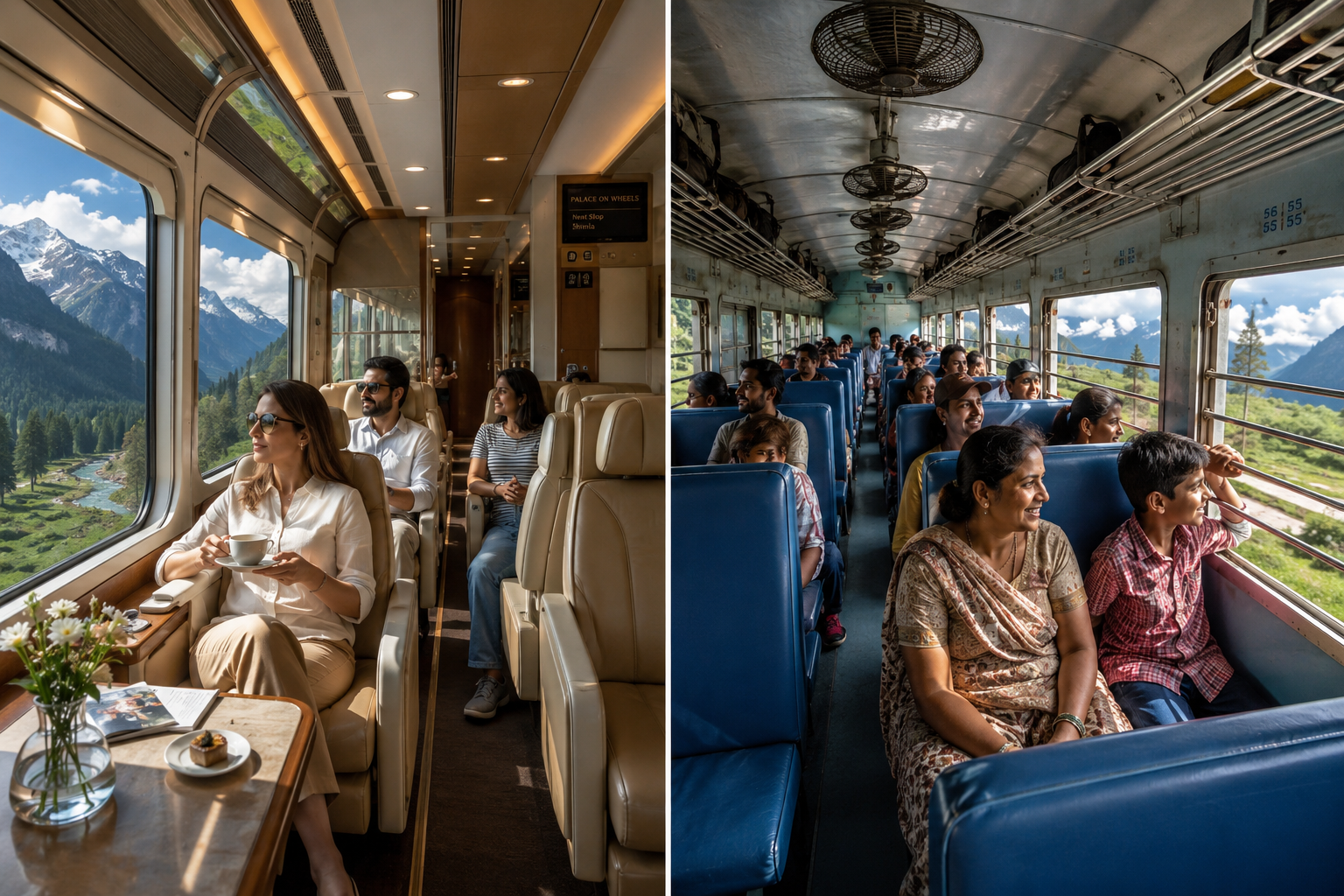
Sri Lanka trains offer three distinct classes with significant differences in comfort and pricing [3].
First Class Features: • Air-conditioned observation saloons with panoramic windows • Limited to around 40 seats per carriage • Mandatory reservations • Available only on select routes • Approximate cost: LKR 1,200 for Kandy to Ella
Second Class Options: • Padded seats with ceiling fans • Windows that open wide for better views and airflow • Both reserved and unreserved seating available • Most popular choice for scenic routes • Approximate cost: LKR 600 for Kandy to Ella
Third Class Characteristics: • Hard bench-style seats • Most economical option • Primarily used by locals • Can become extremely crowded during peak hours • All seats unreserved
Choose first class if you prioritize air conditioning and guaranteed panoramic windows. Choose second class if you want the best balance of comfort, views, and authentic experience. Choose third class if budget is your primary concern and you don’t mind crowds.
Train travel in Sri Lanka remains remarkably affordable compared to other countries, with prices varying significantly by class and route length [5].
Sample Fares (Popular Routes): • Kandy to Ella: First class LKR 1,200, Second class LKR 600, Third class LKR 300 • Colombo to Kandy: First class LKR 800, Second class LKR 400, Third class LKR 200 • Colombo to Matara: Second class LKR 500, Third class LKR 250
Additional Costs to Consider: • Reservation fees (minimal, around LKR 50) • Food and beverages (vendors on trains and at stations) • Tips for helpful staff (optional but appreciated)
Budget Planning: Most tourists spend LKR 1,000-2,000 per day on train travel when exploring multiple routes.
Successful train travel in Sri Lanka requires understanding local customs and practical logistics that differ from Western railway systems.
Essential Preparation: • Bring toilet paper (not always available in train bathrooms) • Pack snacks and water (vendors available but limited selection) • Carry small bills for purchases and tips • Download offline maps before departure
Cultural Considerations: • Dress modestly, especially when visiting religious sites accessible by train • Offer seats to elderly passengers and pregnant women • Keep noise levels reasonable in first and second class
Safety Measures: • Keep valuables secure and within sight • Don’t lean out of open windows • Be cautious when boarding crowded third-class carriages
Weather Preparedness: Hill country routes can be cool and misty, so bring a light jacket even in tropical weather.
Booking timing significantly impacts your chances of securing preferred seats, especially on the popular Kandy to Ella route that sells out quickly during peak season [4].
Optimal Booking Timeline: • 30 days ahead: Maximum advance booking for reserved seats • 14-21 days: Still good availability for most routes • 7 days: Limited options for popular scenic routes • Same day: Only unreserved tickets available
Peak Season Considerations (December-March): Book exactly 30 days in advance for the best selection. Tourist demand peaks during this dry season when weather conditions are ideal for sightseeing.
Off-Season Flexibility (April-November): You can often book successfully 7-14 days ahead, though monsoon rains may affect visibility on scenic routes.
Last-Minute Strategy: If reserved seats are sold out, arrive early at the station for unreserved tickets and be prepared to stand during busy sections.
The Kandy to Ella route consistently ranks as the most scenic, but the best views depend on your preferred landscapes and photography interests [6].
Hill Country Champion: Kandy to Ella This route offers the most diverse mountain scenery, including tea plantations, waterfalls, tunnels, and the famous Nine Arches Bridge. Sit on the right side after Hatton for optimal valley views [6].
Coastal Beauty: Colombo to Matara The track runs directly alongside the Indian Ocean, providing uninterrupted beach and ocean views [2]. Best for sunset photography and tropical coastal scenery.
Mountain Intensity: Nuwara Eliya to Ella A shorter but more concentrated dose of highland scenery, perfect if you’re short on time but want maximum mountain impact.
Photography Ranking:
Yes, you can purchase all types of train tickets directly at railway stations, and this remains the most reliable booking method for Sri Lankan trains [4].
Station Booking Advantages: • Full availability of all ticket types • No online booking fees • Immediate confirmation and printed tickets • Ability to see actual seat assignments
Ticket Window Hours: • Major stations: Usually open 6:00 AM to 8:00 PM • Smaller stations: May have limited hours • Some stations close for lunch breaks
What to Bring: • Passport for identification • Cash in Sri Lankan Rupees • Backup date options in case your preferred departure is sold out
Unreserved Ticket Sales: These typically begin 1-2 hours before departure and guarantee boarding but not seating.
The gap between first and second class is significant in terms of comfort and amenities, though both provide excellent scenic viewing opportunities [7].
First Class Exclusive Features: • Air conditioning (major advantage in tropical heat) • Observation saloons with extra-large windows • More spacious seating with better legroom • Quieter environment with fewer passengers • Complimentary refreshments on some routes
Second Class Advantages: • Open windows for authentic tropical experience • Better interaction with local passengers • Ceiling fans provide adequate cooling • More frequent departures and route options • Significantly lower cost
Scenic Viewing Comparison: Second class actually offers better photography opportunities due to fully opening windows, while first class provides more comfortable viewing through fixed glass panels.
Choose first class if you prioritize air conditioning and quiet comfort. Choose second class if you want the best balance of authentic experience and scenic access.
Sri Lankan trains generally maintain good punctuality and safety records, though delays can occur due to weather, mechanical issues, or heavy traffic on single-track sections [4].
Punctuality Expectations: • Most trains depart on time from origin stations • Delays of 15-30 minutes are common on longer routes • Weather-related delays more frequent during monsoon season • Popular tourist routes receive priority maintenance
Safety Record: • Serious accidents are rare on main tourist routes • Regular maintenance on scenic Hill Country Line • Well-trained staff familiar with tourist needs • Emergency procedures clearly posted in multiple languages
Service Reliability: • Daily service on major routes like Colombo-Kandy • Multiple departures for popular destinations • Backup bus service available if trains are cancelled
Plan Buffer Time: Add 1-2 hours to your schedule for onward connections, especially for flights or important appointments.
The optimal time for Sri Lankan train travel balances weather conditions, tourist crowds, and scenic visibility across different regions of the island.
Peak Season (December-March): • Dry weather with clear mountain views • Highest tourist demand and prices • Book 30 days in advance for popular routes • Best visibility for photography
Shoulder Season (April-May, September-November): • Moderate crowds and prices • Occasional rain showers but good visibility • Easier booking availability • Lush green landscapes after rains
Monsoon Considerations: • Southwest monsoon (May-September): Affects western and southern coasts • Northeast monsoon (October-January): Impacts northern and eastern regions • Hill country generally less affected by heavy rains
Route-Specific Timing: The Hill Country Line operates year-round, but morning departures offer better mountain visibility before afternoon cloud cover.
Sri Lankan trains are generally safe for solo travelers, including women, with standard precautions recommended for any international travel [4].
Safety Advantages: • Well-staffed trains with conductors and security • Tourist police presence at major stations • Fellow travelers often helpful and friendly • Clear signage in English and local languages
Solo Female Traveler Tips: • Choose reserved seating when possible • Sit near families or other female passengers • Keep valuables secure and within sight • Trust your instincts about seat selection
General Precautions: • Avoid displaying expensive electronics or jewelry • Keep copies of important documents separate • Share your itinerary with someone at home • Have emergency contacts readily available
Cultural Respect: Dress modestly and be aware that friendly conversation is normal, but persistent attention should be addressed with train staff.
The Highland Railway (Kandy to Ella route) requires specific preparation due to elevation changes, weather variations, and high tourist demand [1].
Essential Preparation: • Book 30 days in advance during peak season • Bring warm clothing for higher elevations • Pack snacks and water for the 6-7 hour journey • Charge devices beforehand (limited power outlets)
Route-Specific Tips: • Board early to secure window seats on the right side • Best photo opportunities between Hatton and Ella • Train makes several stops for refueling and passenger changes • Bathroom facilities available but bring your own supplies
Elevation Effects: • Temperature drops significantly in hill country • Possible ear pressure changes in tunnels • Misty conditions common in early morning and evening
Photography Strategy: The most spectacular scenery occurs in the final third of the journey approaching Ella, so save phone battery for this section.
The Colombo to Kandy route serves as the gateway to Sri Lanka’s hill country and offers multiple daily departures with good reliability [2].
Departure Information: • Multiple trains daily from Colombo Fort station • Journey time: 3-4 hours depending on train type • Express trains make fewer stops and arrive faster • Both reserved and unreserved options available
Booking Strategy: • Reserved seats recommended for comfort • Same-day unreserved tickets usually available • First and second class both offer good experiences • Morning departures provide better mountain views
Route Highlights: • Gradual transition from urban to rural landscapes • Scenic river valleys and rubber plantations • Temperature cooling as elevation increases • Historic Kandy station as arrival point
Onward Connections: Kandy serves as the hub for continuing to Ella, Nuwara Eliya, and other hill country destinations.
Q: Can I buy train tickets online for Sri Lanka? A: Official online booking is very limited. Most travelers book in person at stations up to 30 days in advance, or use third-party services with additional fees.
Q: How long is the train ride from Kandy to Ella? A: The journey takes 6-7 hours depending on the specific train and number of stops. Express services are slightly faster than regular trains.
Q: Do Sri Lanka trains have bathrooms? A: Yes, all classes have bathroom facilities, though cleanliness varies. Bring your own toilet paper and hand sanitizer for comfort.
Q: Can I bring food on Sri Lankan trains? A: Yes, you can bring your own food and drinks. Vendors also sell snacks, meals, and beverages on most trains and at stations.
Q: Are there power outlets on Sri Lanka trains? A: Power outlets are limited and mainly available in first class. Bring portable chargers for your devices, especially on longer journeys.
Q: What happens if my train is cancelled? A: Sri Lankan Railways typically provides bus transportation or rebooking on the next available train. Staff at stations can assist with alternative arrangements.
Q: Do I need to print my train ticket? A: Yes, when booking at stations you receive printed tickets that must be shown to conductors. Mobile tickets are not widely accepted.
Q: Can I change my train ticket after booking? A: Changes are possible at the station where you booked, subject to availability and potential fees. Same-day changes are more difficult for reserved seats.
Q: Are there discounts for children on Sri Lanka trains? A: Children under 12 typically receive discounted fares, and very young children may travel free when accompanied by adults. Bring identification for age verification.
Q: What’s the difference between express and regular trains? A: Express trains make fewer stops and complete journeys faster, while regular trains stop at more stations and take longer but offer more opportunities to see local life.
Q: Can I store luggage on Sri Lankan trains? A: Overhead racks are available in all classes, though space is limited. Large suitcases may need to be stored near your seat or in designated areas.
Q: Is it safe to drink water on Sri Lanka trains? A: Stick to bottled water purchased from vendors or bring your own. Tap water on trains is not recommended for drinking by tourists.
Sri Lanka’s train system offers an authentic and scenic way to explore the island’s diverse landscapes, from misty mountain tea plantations to pristine coastal stretches. Success depends on advance planning, especially for the popular Hill Country Line from Kandy to Ella.
Book reserved seats 30 days ahead during peak season, choose second class for the best balance of comfort and authentic experience, and sit on the right side after Hatton for optimal valley views. The journey itself becomes part of your Sri Lankan adventure, connecting you with local culture while providing some of the world’s most spectacular railway scenery.
Start planning your Sri Lankan train adventure by checking current schedules and making advance reservations for your preferred routes and travel dates.
[1] Scenic Train Routes – https://www.thesrilankaguides.com/travel-info/scenic-train-routes/?utm_source=openai [2] Sri Lanka Train Network Overview – https://www.srilanka-spirit.com/guides/sri-lanka-train-network-overview/?utm_source=openai [3] Trains – https://www.thesrilankanguideline.com/guides/trains?utm_source=openai [4] Getting Around – https://www.roughguides.com/sri-lanka/getting-around/?utm_source=openai [5] Sri Lanka Train Ticket Prices Timetables – https://yalu.travel/sri-lanka-train-ticket-prices-timetables/?utm_source=openai [6] Scenic Train Route Comparator – https://www.srilanka-spirit.com/tools/scenic-train-route-comparator/?utm_source=openai [7] Train 1st Vs 2nd Vs 3rd Class Which To Book – https://www.srilanka-spirit.com/guides/train-1st-vs-2nd-vs-3rd-class-which-to-book/?utm_source=openai