Physical Address
304 North Cardinal St.
Dorchester Center, MA 02124
Physical Address
304 North Cardinal St.
Dorchester Center, MA 02124
Last updated: July 14, 2026
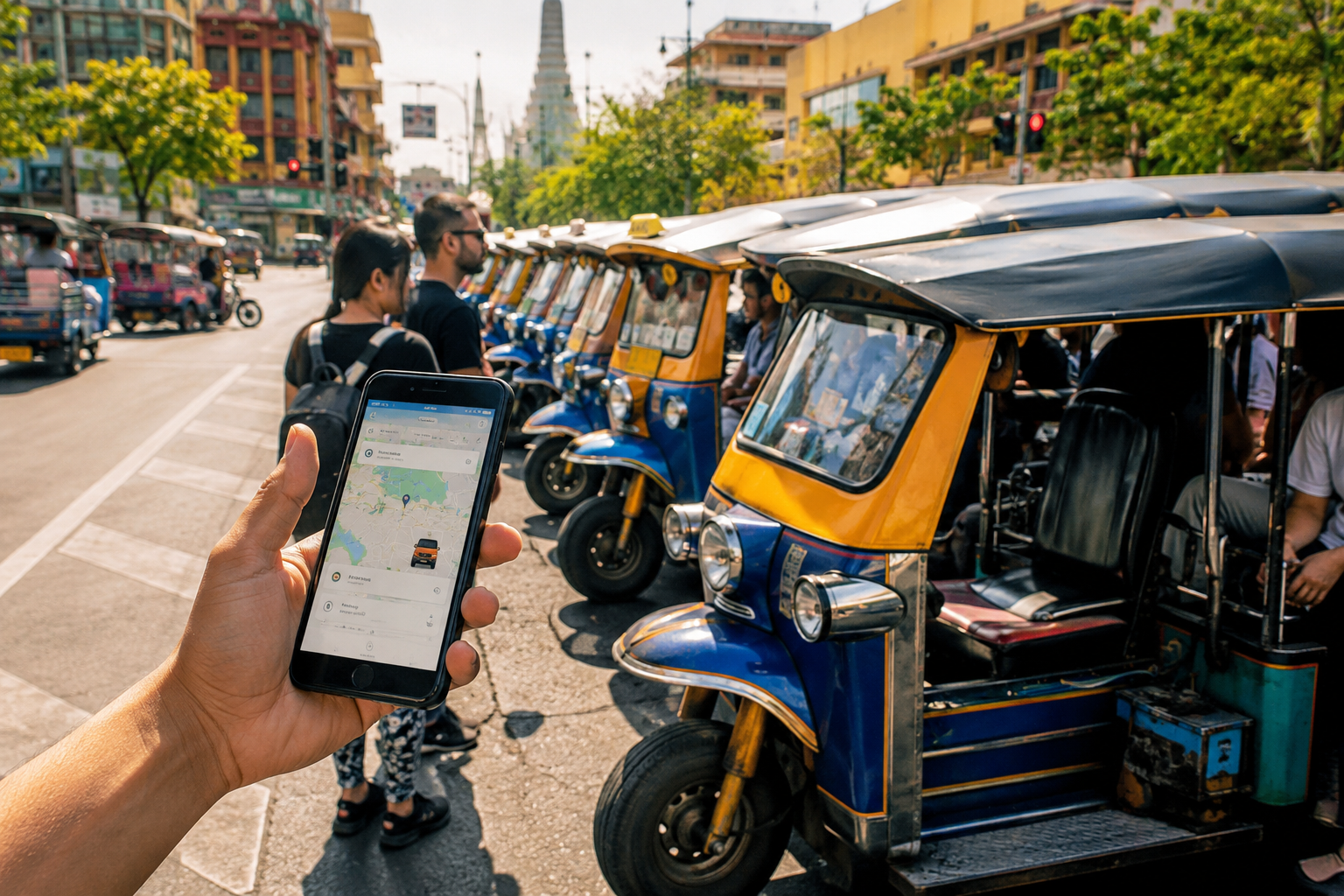
This comprehensive tuk-tuk guide covers fair pricing, ride-hailing apps like PickMe, and negotiation strategies to help you avoid overcharging and travel safely. Apps typically offer 20-30% savings over street negotiation, but knowing local rates and basic bargaining skills ensures you get fair prices regardless of your booking method.
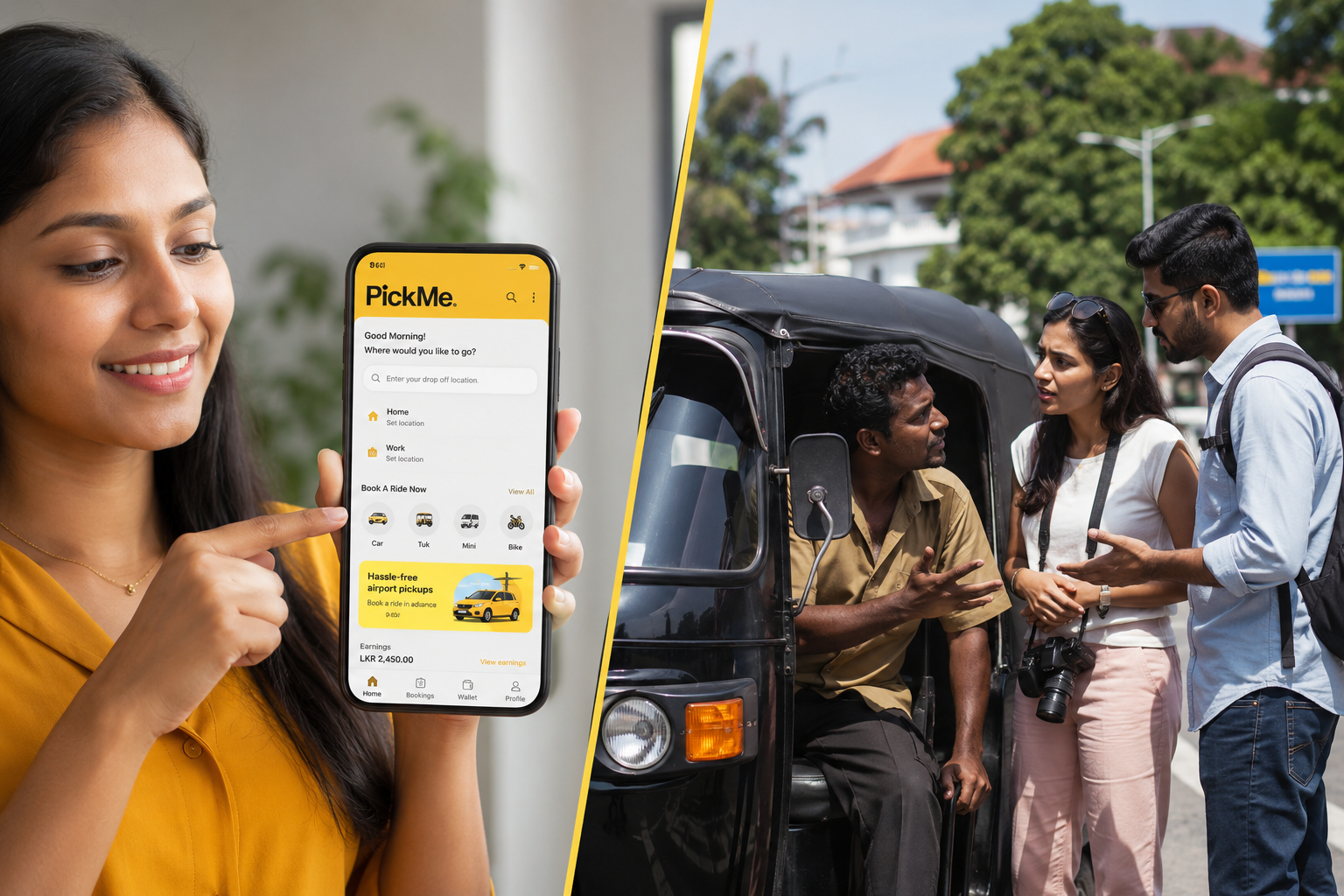
A tuk-tuk is a three-wheeled motorized vehicle commonly used for short-distance transportation in Southeast Asia, South Asia, and parts of Africa and Latin America. These open-air vehicles typically seat 2-4 passengers and run on small motorcycle engines or electric motors.
Tuk-tuks operate through two main systems:
Traditional street hailing: Drivers wait at designated stands or cruise busy areas looking for passengers. Payment is cash-only and prices are negotiated before the ride.
App-based booking: Modern ride-hailing platforms connect passengers with registered tuk-tuk drivers through smartphone apps, offering fixed pricing and digital payments.
Most tuk-tuks lack air conditioning and have minimal weather protection, making them ideal for short trips in good weather. They’re particularly useful for navigating narrow streets and heavy traffic where larger vehicles struggle.
Fair tuk-tuk pricing varies significantly by country and city, but you can expect to pay 30-50% less than taxi rates for similar distances. Here are typical rate ranges for popular destinations:
Sri Lanka: 50-80 LKR per kilometer (using PickMe app), 100-150 LKR per kilometer when negotiating on the street
Thailand: 60-100 THB for short trips (2-3 km), 150-250 THB for longer journeys within city limits
India: 15-25 INR per kilometer in smaller cities, 25-40 INR per kilometer in major metros like Delhi or Mumbai
Cambodia: $3-5 USD for short trips, $8-12 USD for longer distances or tourist areas
Research local rates before traveling by checking ride-hailing apps or asking locals. Tourist areas typically charge 200-300% more than residential neighborhoods, so factor location into your pricing expectations.
Choose app-based booking if available, as it eliminates price negotiation and provides consistent rates based on distance and time.
App-based tuk-tuk booking offers significant advantages over traditional street hailing, primarily through transparent pricing and driver accountability. Apps calculate fares using GPS tracking and predetermined rates, while street negotiations depend on your bargaining skills and local knowledge.
App booking benefits:
Street hailing advantages:
Apps typically cost 20-30% less than street negotiation for tourists, but experienced local travelers may achieve better rates through direct bargaining. The convenience and safety features of apps make them the better choice for most travelers.
PickMe is Sri Lanka’s leading ride-hailing platform, offering tuk-tuk bookings alongside cars and motorcycles. The app provides transparent pricing and connects you with verified drivers across major Sri Lankan cities.
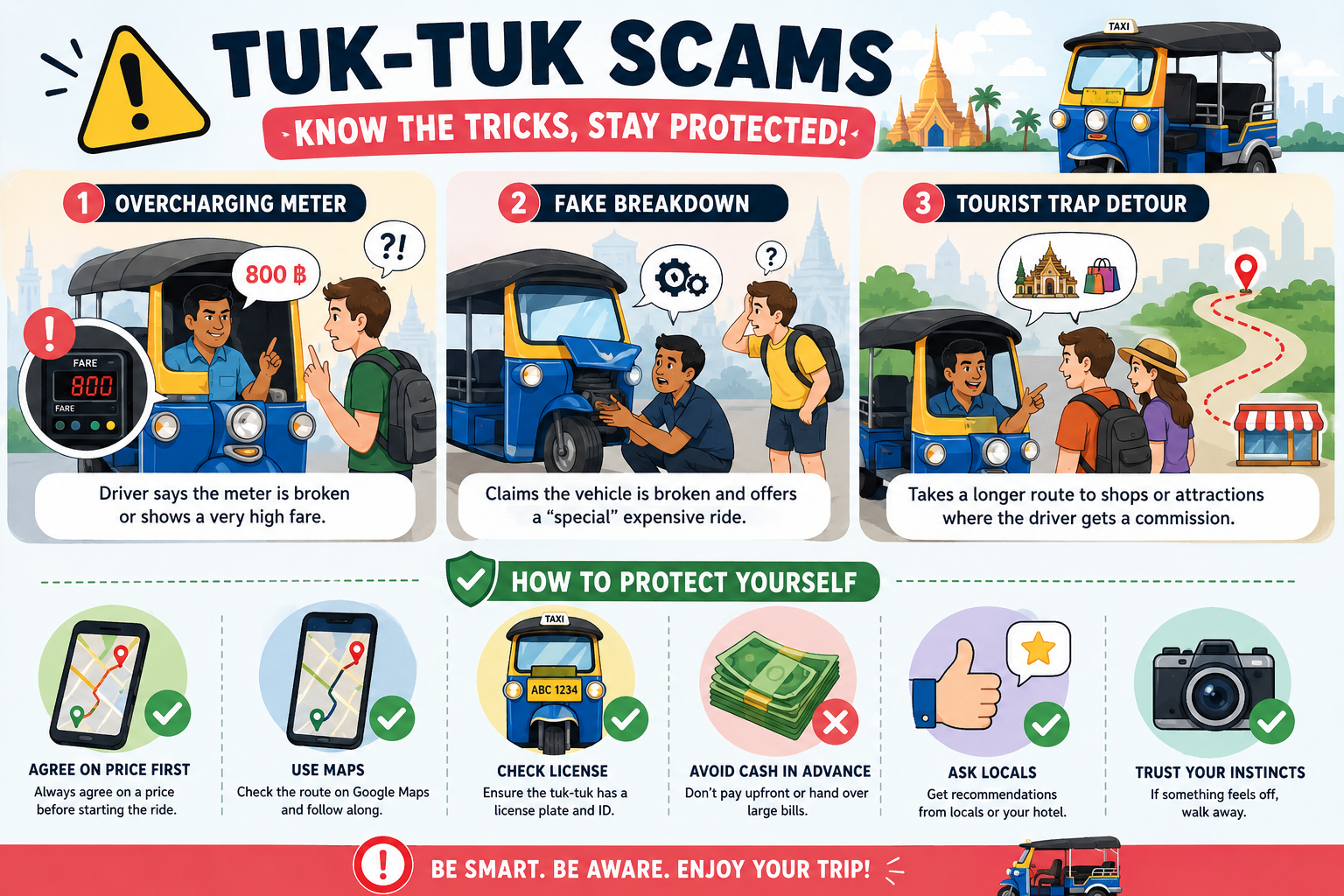
Setting up PickMe:
Booking a tuk-tuk ride:
PickMe pricing: Rates start around 50 LKR base fare plus 45-60 LKR per kilometer, with additional charges for waiting time and night rides (10 PM – 5 AM).
The app shows driver details, vehicle information, and estimated arrival times. You can contact drivers directly through the app if needed for pickup coordination.
PickMe typically offers better value than street negotiation for most travelers, especially tourists unfamiliar with local pricing. The app’s transparent rates prevent the 200-300% markup commonly charged to foreign visitors in tourist areas.
Cost comparison examples (Colombo, Sri Lanka):
Experienced local travelers who speak the language may negotiate better rates than app pricing, but this requires significant time and cultural knowledge. PickMe also eliminates common scams like “broken meters” or inflated fuel surcharges.
The app’s convenience factor, no haggling, predictable pricing, and cashless payments, makes it worth the potential small premium over expert-level street negotiation.
Successful tuk-tuk negotiation requires preparation, local knowledge, and confidence. Start by researching typical rates for your route and learning basic phrases in the local language.
Pre-negotiation preparation:
Negotiation tactics:
Common scams to avoid:
Choose tuk-tuks away from tourist hotspots for better starting prices. Drivers near hotels, attractions, and transport hubs typically charge premium rates and resist negotiation.
Several ride-hailing platforms offer tuk-tuk booking across different regions, each adapted to local markets and regulations. These apps provide similar benefits to PickMe: transparent pricing, driver tracking, and digital payments.
Popular tuk-tuk apps by region:
Southeast Asia:
South Asia:
Other regions:
Most apps offer similar features: upfront pricing, driver ratings, GPS tracking, and multiple payment options. Download the dominant local app for your destination, as driver availability varies significantly between platforms.
Check app coverage areas before relying solely on digital booking, as some platforms have limited service outside major city centers.
Tuk-tuk drivers sometimes request additional payment beyond app-calculated fares due to several legitimate and illegitimate reasons. Understanding these situations helps you respond appropriately and avoid unnecessary conflicts.
Legitimate reasons for extra charges:
Common scam attempts:
How to respond:
Most reputable ride-hailing platforms investigate fare disputes and may refund overcharges. Consistent reporting of problematic drivers helps maintain service quality across the platform.
Determining fair tuk-tuk pricing requires research and local knowledge, but several reliable methods help you establish reasonable rate expectations for any destination.
Research methods:
Rate calculation factors:
Fair price indicators:
Document rates you pay for future reference. Most fair tuk-tuk rides cost $1-5 USD for short urban trips, with longer journeys rarely exceeding $10-15 USD except in expensive tourist destinations.
Meter refusal is common in many tuk-tuk markets, even where meters are legally required. This situation requires a strategic response based on local regulations and your alternatives.
Immediate response steps:
When meters aren’t available or functional:
Legal meter requirements (select cities):
If a driver consistently refuses reasonable requests, find alternative transportation. Persistent meter refusal often indicates inflated pricing or potential scams.
Report non-compliance to local transport authorities if meters are legally mandated in your destination.
Tuk-tuk safety compared to regular taxis depends on several factors including vehicle design, driver regulation, and local traffic conditions. Both transportation modes have distinct safety advantages and risks.
Tuk-tuk safety advantages:
Tuk-tuk safety concerns:
Taxi safety benefits:
Safety recommendations:
Both options are generally safe when booked through reputable platforms. Your comfort level with open-air travel and local traffic conditions should guide your choice.
Tuk-tuk scams target tourists unfamiliar with local pricing and customs. Recognizing these common schemes helps you avoid overcharging and travel safely.
Pricing scams:
Route scams:
Prevention strategies:
Red flags to watch for:
Trust your instincts, if something feels wrong, find alternative transportation. Most tuk-tuk drivers are honest, but preparation helps you identify and avoid the problematic ones.
Choosing between app booking and street negotiation depends on your experience level, language skills, time constraints, and local market conditions. Each method works better in specific situations.
Use apps when:
Choose street negotiation when:
Hybrid approach: Many experienced travelers check app rates for baseline pricing, then negotiate with street drivers using that information. This combines the pricing transparency of apps with the immediate availability of street hailing.
Time considerations: Apps typically take 3-10 minutes for driver matching and arrival, while street hailing offers immediate departure. Factor waiting time into your transportation planning.
For most tourists, apps provide better value and peace of mind. Local residents with cultural knowledge may achieve better results through direct negotiation.
Tuk-tuk drivers earn income through ride-hailing apps via a commission-based model, where platforms take a percentage of each fare while drivers keep the majority. Understanding this system helps explain pricing and driver behavior.
Typical commission structures:
Driver earnings factors:
Additional income sources:
Why drivers prefer apps:
Drivers typically complete 15-25 trips per day, earning $15-40 USD daily depending on the local market. App-based work often provides better income stability than traditional street hailing, explaining why many drivers embrace these platforms despite commission costs.
How much should I tip tuk-tuk drivers? Tipping isn’t expected in most tuk-tuk markets, but rounding up to the nearest convenient denomination (10-20% maximum) is appreciated for exceptional service. Check local customs, as some cultures consider tipping inappropriate.
Can I book tuk-tuks in advance through apps? Most ride-hailing apps offer immediate booking only, not advance reservations. PickMe and similar platforms typically match you with drivers within 5-10 minutes of requesting a ride.
What happens if my tuk-tuk breaks down during the trip? App-based bookings usually include breakdown protection, contact customer service for assistance or rebooking. For street hailing, you’re typically responsible for finding alternative transportation and may need to negotiate partial payment.
Are tuk-tuks available at night? Night availability varies by city and platform. Most apps have reduced driver numbers after 11 PM, and night surcharges (20-50% extra) are common. Street hailing becomes more difficult and expensive after dark.
Can tuk-tuks carry luggage? Standard tuk-tuks accommodate 1-2 small bags or backpacks. Large suitcases may not fit safely. Inform drivers about luggage when booking, and consider alternative transportation for airport transfers with multiple large bags.
Do I need internet connection to use tuk-tuk apps? Initial booking requires internet, but most apps work offline once the trip starts. Download offline maps and take screenshots of driver details in areas with poor connectivity.
What if the driver takes a wrong route? For app bookings, GPS tracking usually prevents major detours. Politely redirect drivers using landmarks or your phone’s map. Report significant route problems through the app for potential fare adjustments.
Are tuk-tuks wheelchair accessible? Standard tuk-tuks aren’t wheelchair accessible due to high step-up entry and narrow seating. Some cities have modified accessible tuk-tuks, but availability is extremely limited. Check with disability services or use regular taxis for wheelchair transportation.
Can children ride safely in tuk-tuks? Tuk-tuks lack child safety seats and seatbelts. Hold small children securely and consider alternative transportation for infants or toddlers. Many families use tuk-tuks for short trips, but safety depends on careful supervision.
What payment methods do tuk-tuk apps accept? Most apps accept credit cards, debit cards, and cash. Digital wallets like PayPal or local mobile payment systems are increasingly common. Always have cash backup, as card processing occasionally fails.
How do I report problems with tuk-tuk drivers? Use the app’s rating and reporting system immediately after trips. Include specific details about overcharging, route problems, or safety concerns. Most platforms investigate complaints within 24-48 hours.
Are tuk-tuk fares negotiable when using apps? App fares are generally fixed and non-negotiable. The transparent pricing is a key benefit over street hailing. Some apps allow tipping through the platform, but the base fare remains constant.
This comprehensive tuk-tuk guide provides the essential knowledge for fair pricing, effective app usage, and successful negotiation strategies. Apps like PickMe offer the most reliable experience for travelers, with transparent pricing and driver accountability that typically saves 20-30% compared to tourist-targeted street rates.
For immediate next steps, download the dominant ride-hailing app for your destination and research local per-kilometer rates before traveling. Keep small bills handy for street negotiations, learn basic local phrases for directions and pricing, and always agree on fares before starting your journey.
Whether you choose app booking for convenience or street negotiation for cultural interaction, preparation and local knowledge ensure fair prices and safe travels. The key is matching your transportation method to your experience level and comfort with local customs.
SEO Meta Title: Tuk-Tuk Guide: Fair Pricing, Apps Like PickMe & Negotiating Tips
SEO Meta Description: Complete tuk-tuk guide covering fair pricing, PickMe app usage, and negotiation strategies. Learn to avoid scams and get the best rates in 2026.